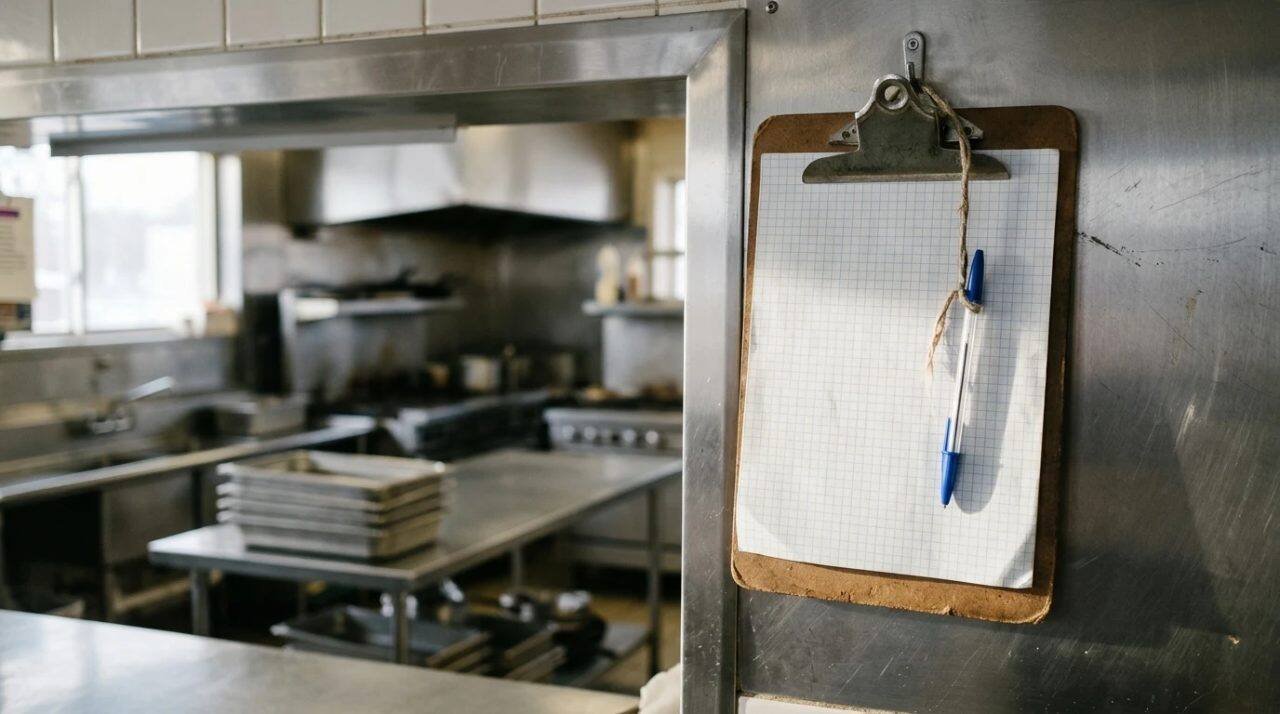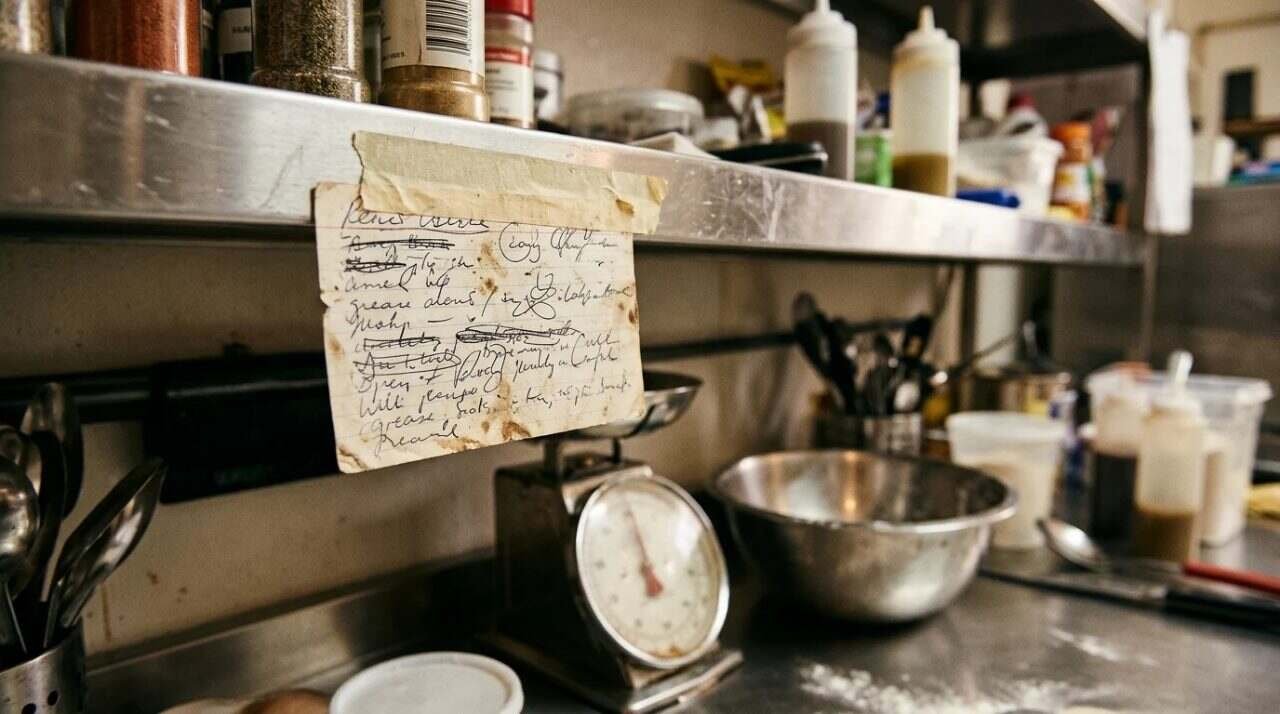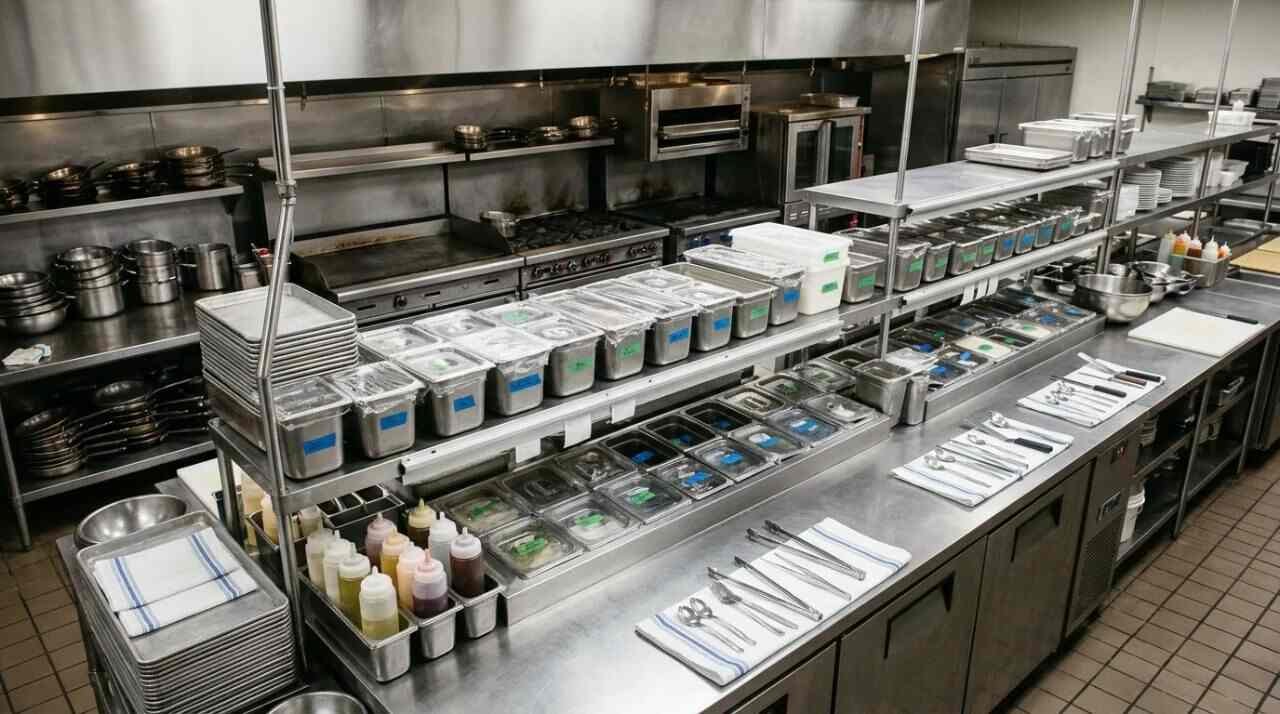

An opening and closing checklist puts the first and last twenty minutes of the day on one page. A free opening and closing checklist in Excel and a printable PDF are available from Till Post, with ten lines for opening, ten for closing and a space for notes to the next shift.
What the checklist covers
The opening list starts at the door and ends at the dining room. The closing list runs the other direction, from the register to the alarm. Both are written for a small kitchen and are meant to be edited.
Opening lines include unlocking and checking for signs of entry, turning on lights and exhaust hoods, checking and logging cooler and freezer temperatures, warming up the fryers and flat top, powering on the register and card terminal, counting the opening cash, loading printers, stocking handwash sinks, mixing and testing sanitizer, checking the prep list against par and posting specials.
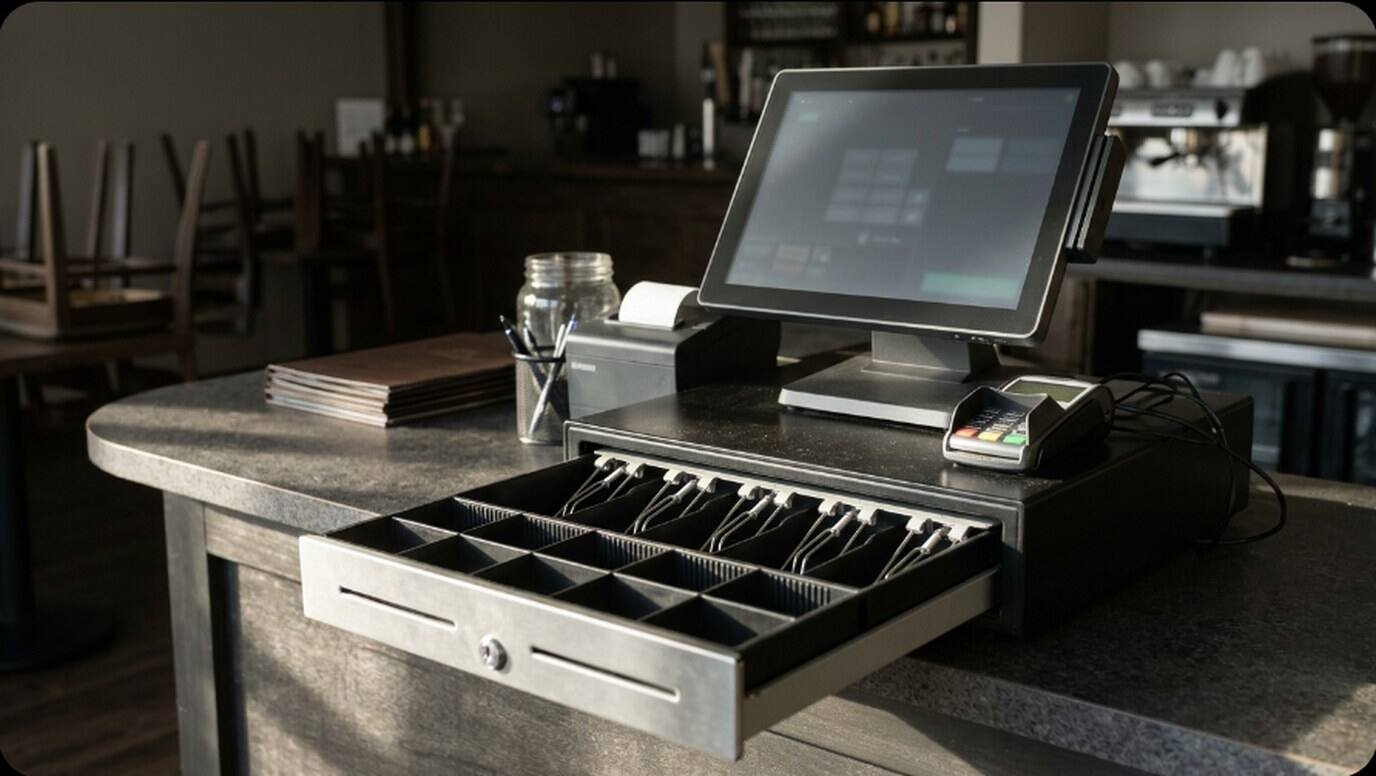
Closing lines include the final cash count and close-of-day report, closing the card batch, covering and dating food, logging temperatures, cleaning cooking equipment, mopping, taking out trash, cleaning the dish area, noting what ran low, locking the back door and arming the alarm.
Why a list beats memory
Closing is when mistakes are made. Tired staff skip a step, and the skipped step is rarely a harmless one: a fryer left on, a walk-in door not latched, a card batch not closed. A list keeps the same steps in the same order whether the closer has worked there ten years or ten days.
The list also keeps cash and food safety in the same document. Cash counts, sanitizer testing and temperature logging all sit on one sheet, so a manager reviewing the page sees whether the whole routine happened.

Editing the template
The lines are a starting point. A kitchen with a pizza oven adds a line for it, a bakery drops the fryer, and a counter-service shop trims the dining room items. The Excel file lets any line be rewritten, and the Done and Initials columns stay in place. Each line takes an initial, which makes the person who did the task, not just the person who signed the page, visible.
A useful test for any line: if it were skipped, would anyone notice before the next shift? If the answer is no, the line belongs on the list.
Notes for the next shift
The bottom of the page holds a free notes box. It carries the things a list cannot, such as a cooler running warm, a vendor who shorted an order, or a staff member out tomorrow. Handoff notes cut down on the morning phone calls to the owner. They also give a manager returning from a day off the story of what happened.
Connecting it to other routines
Two lines on the list point to other documents. The temperature check feeds the temperature log template, and the note about what ran low feeds the order guide template. The receiving checklist covers the delivery moment that falls between the two lists.
Staffing choices also shape how long closing takes. The post on restaurant labor cost and scheduling covers how schedules and labor percentages interact, and the payroll cost calculator puts a dollar figure on a closer’s hours. The inspector’s view of cleaning routines appears in what a health inspector looks at first. All of the free sheets are on the restaurant templates page.

Downloads
Both files are free to copy and adapt for any business.