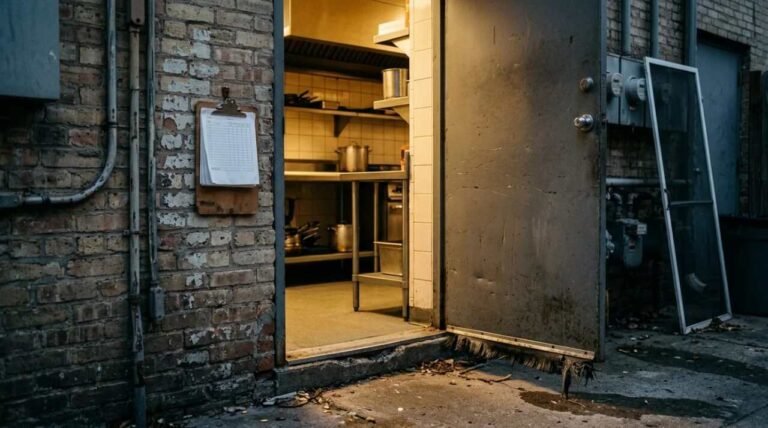


A health inspector does not call ahead. In Suffolk County the visits are unannounced, and the county’s own description of its Food Protection Program says it issues about 7,000 food service permits and conducts more than 6,000 inspections a year, along with investigating about 600 consumer complaints. I have worked in a family restaurant on Long Island since 2000, and I have been through this kind of inspection. What follows comes from the county’s pages, the state’s pages and the federal Food Code material, because those are the documents an inspector works from.
Who comes through the door, and how often
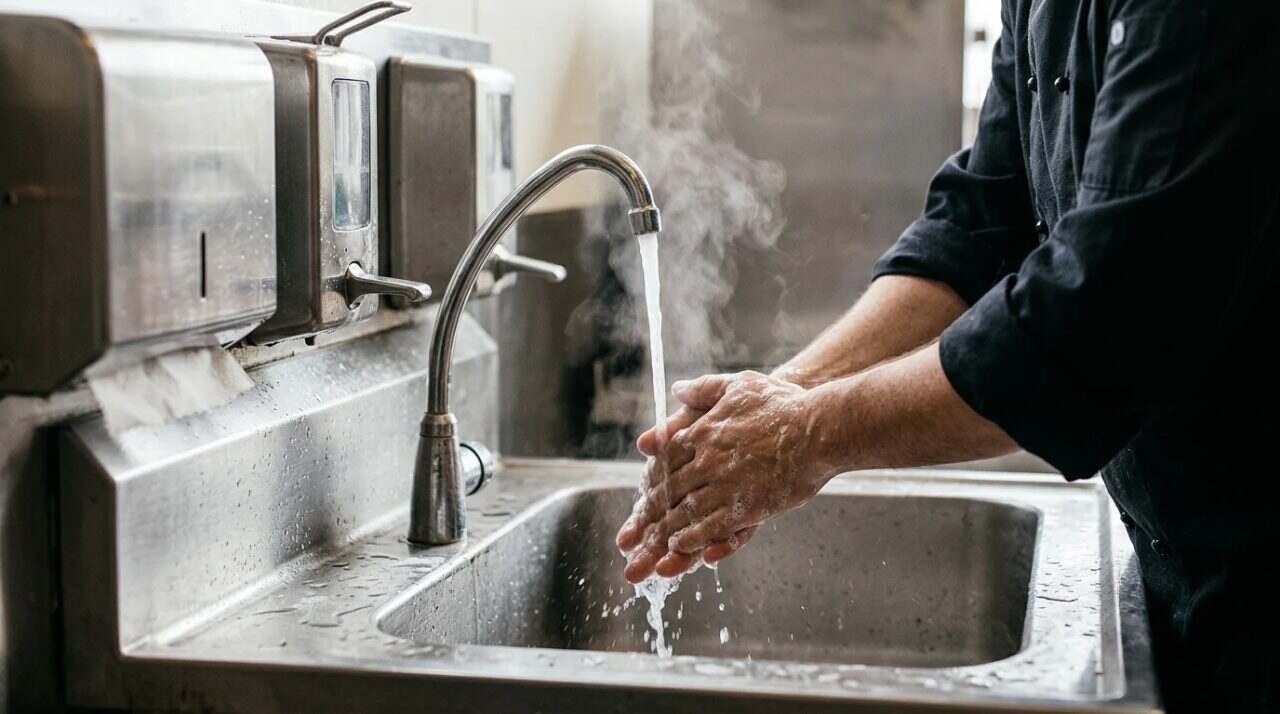
New York has more than 90,000 food service establishments, according to the state Department of Health, and county and city health departments do the permitting and inspecting. Outside New York City that means a county office. On the North Shore of Suffolk it means the Department of Health Services in Yaphank, working under Article 13 of the county Sanitary Code.
The county says how often it comes depends on what you run. Delis, diners, catering halls and full-service restaurants are typically inspected one or more times a year. Fast food places, taverns and ice cream stores are inspected every one to two years. A complaint about illness or dirty conditions brings an inspector sooner, whatever the schedule says.
That schedule matters less than it sounds. A kitchen that is inspected once a year is not clean once a year. The inspection is a sample of an ordinary Tuesday, taken without warning, and the only preparation that works is the kind done on all the other days.
What the county says the inspector checks
The Suffolk page gives a short list. Inspectors observe how food workers handle food, they take food temperatures, they look at how food is stored, they look at plumbing and sewage disposal, they look at general sanitation, and they look for required equipment such as refrigeration.
The first item on that list is people, not equipment. That is the closest thing in the county’s own words to an answer to the title of this post, and it comes with a limit: the page does not say the list is in order of priority, and I will not pretend it is. What it does show is the weight of the thing. A spotless walk-in cooler does not rescue a cook who handles bread for a sandwich with a bare hand after touching a raw chicken box.
The thermometer comes out early
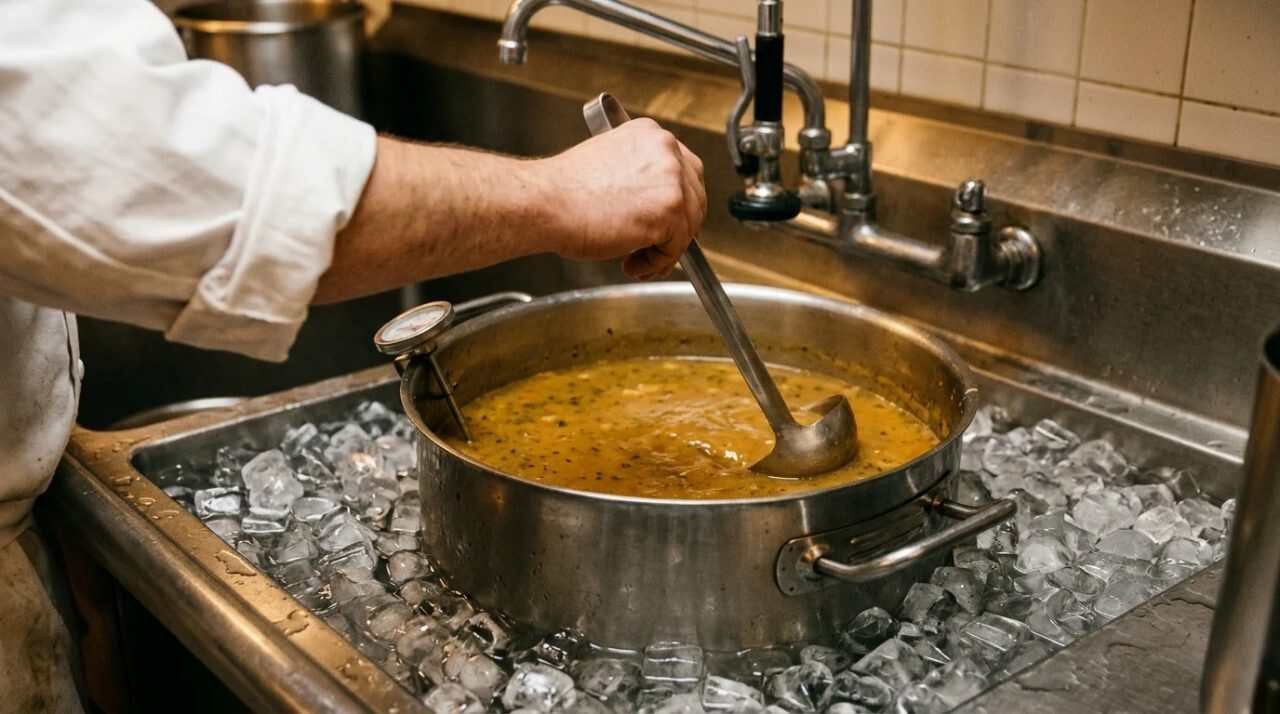
Temperatures are the one item that can be measured on the spot, which makes them hard to argue with. Food is either at the right temperature or it is not. The county’s foodborne illness risk factor list is specific about one of them: food must cool from 140 degrees Fahrenheit to 41 degrees within 6 hours, and it must reach 70 degrees within the first 2 hours of that window. A big pot of soup left on the stove to “come down on its own” is the classic way to miss that.
Risk factor violations and good retail practice
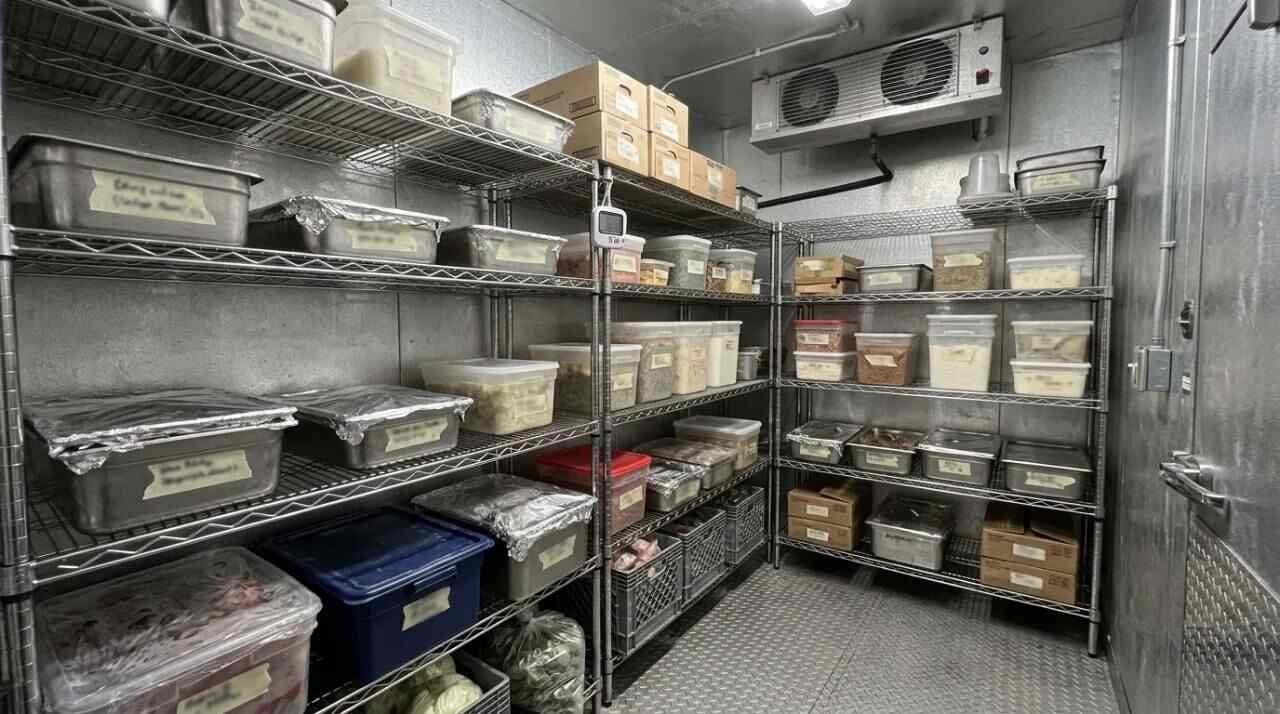
Suffolk sorts what an inspector writes down into two kinds. The county describes Risk Factor violations as the ones more closely tied to foodborne illness: sick workers on the job, bare-hand contact with ready-to-eat food, and improper food temperatures. The county says most of these must be corrected during the inspection itself, while the inspector is still there.
Good Retail Practice violations cover cleanliness, maintenance and sanitary habits. The county’s examples are grimy floors or equipment, unlabeled containers and improperly stored utensils. They matter, and they show up on the report, but they are a different order of problem from a worker with symptoms who is still on the line.
This split explains where to put your attention. If a day goes badly and the choice is between mopping a corner and checking that the sandwich station has gloves, tongs or deli tissue within reach, the second job is the one the county ranks closer to illness.
The county’s risk factor list runs to 28 items, and a few of them are worth knowing by number and name, because the report refers to them that way:
- F003, excluding ill food workers: staff with vomiting, diarrhea, jaundice, typhoid or Hepatitis A are excluded or restricted from work.
- F005 and F006, bare-hand contact and handwashing: ready-to-eat food is handled with utensils or gloves, and sinks are conveniently located, with warm water, soap and a way to dry.
- F011, separation and protection: raw animal foods are kept apart from ready-to-eat foods in storage, on display and at self-service.
- F012, cleaning and sanitizing: food-contact surfaces are cleaned and sanitized at set intervals, with proper water temperatures and sanitizer concentrations.
- F018, date marking: refrigerated ready-to-eat food is date-marked and used, sold or thrown out by that date.
The case where the inspector closes you
A report with violations is a bad afternoon. A closure is something else. The county says an establishment must close for an “imminent health hazard” and cannot reopen until the hazard is resolved. Its examples are probable disease transmission, no water under pressure, a major vermin infestation affecting food, sewage in food or public areas, and loss of refrigeration during an extended power outage.
None of that is about a dirty floor. It is about water, sewage, pests, cold and sickness, the basic services of a kitchen. If the water goes out in the middle of a Saturday, the question is no longer how to get through the shift. It is whether you are still allowed to be open.
What the federal study says restaurants miss
The FDA publishes the Food Code, a model that local, state, tribal and federal regulators use as a template when they write their own rules. It exists so that a restaurant rule in one state looks roughly like a restaurant rule in the next. Counties adopt and adapt it, so what Suffolk enforces is not word for word the federal text, but the thinking behind the two is related.
The FDA has also studied what restaurants get wrong. Its Retail Food Risk Factor Study looked at five risk factors in several kinds of retail operations. In the 2008 data, reported in a 2010 trend analysis, full-service restaurants were in compliance for proper and adequate handwashing only 24 percent of the time. Fast food restaurants came in at 61 percent. For holding food at the right temperature, full-service restaurants were at 45 percent and fast food at 62 percent.
That is old data and it describes a national sample, not Long Island, and I would not read it as a judgment on any one kitchen. I include it for what it says about habit. Handwashing is the cheapest and most boring control in the building, and it was the one most often missed.
What I check before anyone walks in
Everything above points at the same short list, and it is the list I would walk through on any morning:
- Is there a sink for handwashing that nobody has blocked with a bus tub, and does it have soap, paper and warm water?
- Is there a calibrated thermometer where the cooks can reach it, and does the line use it?
- Is raw food stored below ready-to-eat food, with everything covered and labeled?
- Is there a container of dated product in the cooler that is past its date?
- Does each person who works the line know who is in charge on the floor today? In Suffolk, the county says a Food Manager’s certificate holder must be the person in charge during all hours of operation.
- Are the required postings up, including the notice that the last inspection report is available to customers on request?
The postings are the easiest to forget and the easiest to fix. The county lists a first aid for choking poster, a CPR equipment notice, a consumer advisory on raw and undercooked foods, the last inspection notice, handwashing signs in restrooms used by food workers, an alcohol warning, smoking prohibited signs, the permit to operate and the food manager certificate.
I wrote a separate piece on station procedures that deals with how a line keeps its habits when the owner is not standing over it. The same idea applies here: an inspection result is just the summary of a lot of small decisions made by people who were not being watched.
There is an honest limit to a checklist like this one. It can tell you what the county has said it looks for. It cannot tell you what a particular inspector will weigh on a particular day, and the county’s pages say nothing about how any single violation is scored. If you want to see how your own results look in public, the county runs a food establishment inspection lookup where reports can be searched.
For informational purposes only. Sanitary code rules differ by county and change over time, so confirm current requirements with your local health department, and consult a licensed attorney if you are facing an enforcement action.
Sources
- Suffolk County Food Protection: https://suffolkcountyny.gov/Departments/Health-Services/Public-Health-Protection/Food-Protection
- Suffolk County foodborne illness risk factors: https://suffolkcountyny.gov/Departments/Health-Services/Public-Health-Protection/Foodborne-Illness
- Suffolk County food inspection lookup: https://health.suffolkcountyny.gov/foodinspectionlookup
- New York State Department of Health, Food Safety: https://www.health.ny.gov/environmental/indoors/food_safety/
- FDA Food Code: https://www.fda.gov/food/retail-food-protection/fda-food-code
- FDA Retail Food Risk Factor Study: https://www.fda.gov/food/retail-food-protection/retail-food-risk-factor-study
- Video: https://www.youtube.com/watch?v=Drm-fi93_-E