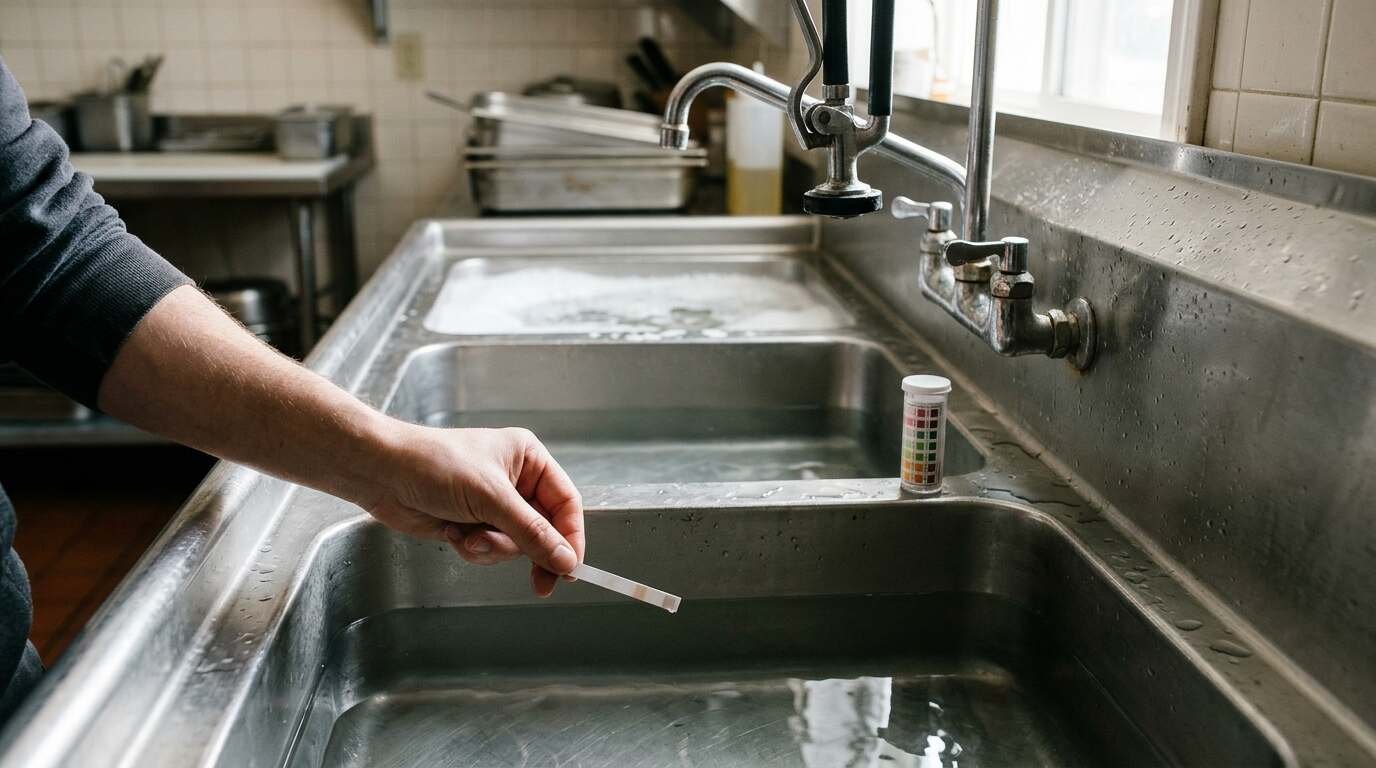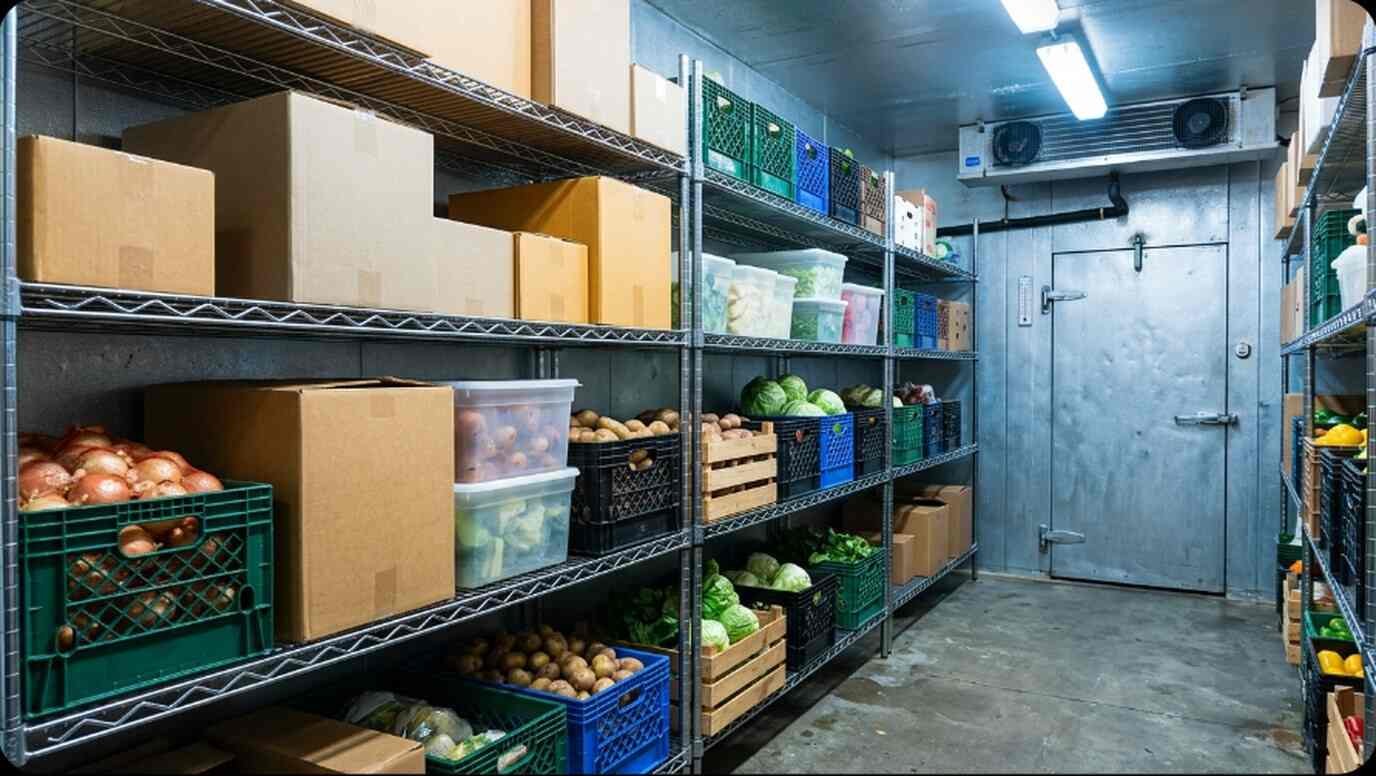
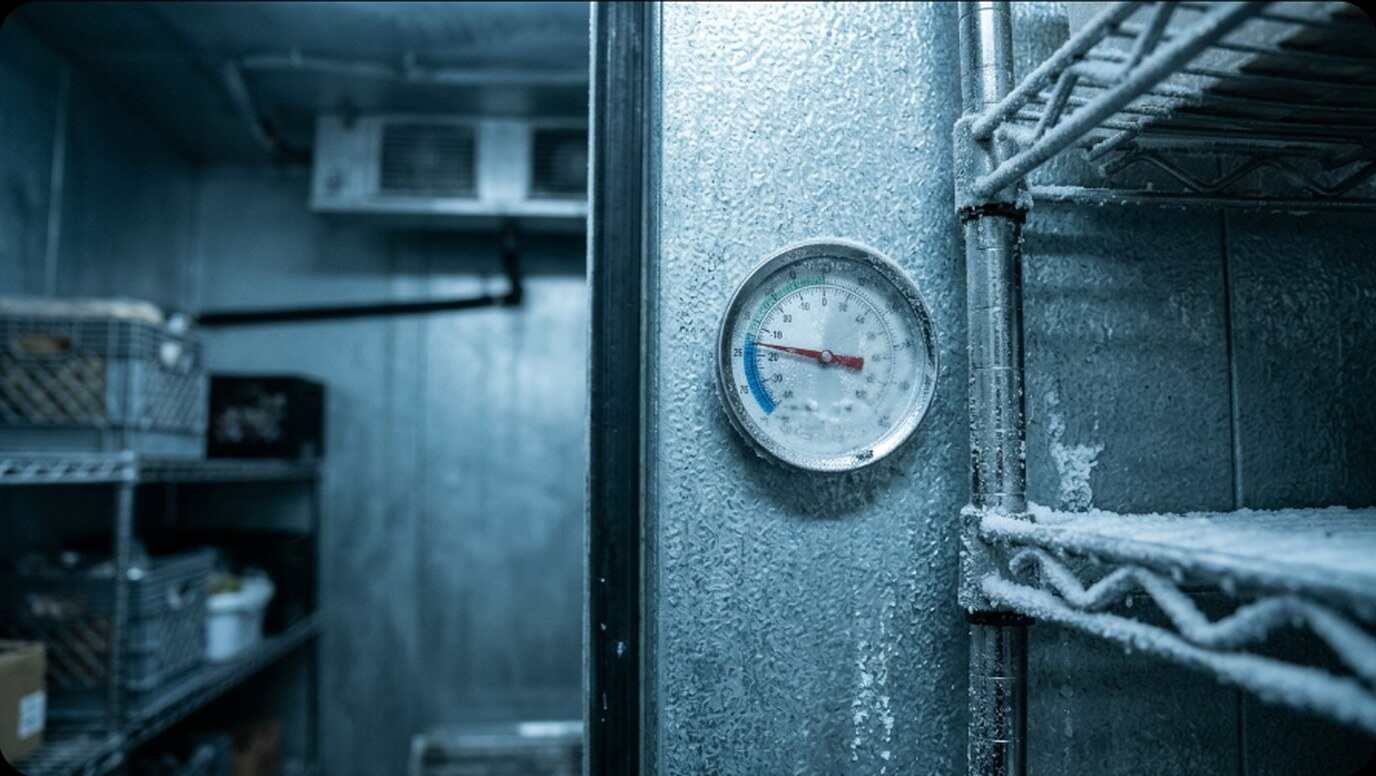
A temperature log is a one-month sheet for a single cooler, freezer or hot-holding unit, with a line for every day and spaces for a morning and an evening reading. A free temperature log template in Excel and a printable PDF are available from Till Post.
What the sheet records
Each sheet covers one unit for one month. The header holds the month and the unit name, such as walk-in or prep cooler. Below it sit 31 rows, one per date, with these columns:
- Morning reading in degrees Fahrenheit, with initials
- Evening reading, with initials
- In range, yes or no
- Corrective action
- Manager initials
Corrective action is the column that matters in an inspection. A reading outside the limit is a normal event in a busy kitchen, and what counts is the note beside it: product moved, door gasket flagged, repair called in.
The temperature limits
The template prints the New York State rule at the top of the sheet. The state’s Sanitary Code sets the temperature of potentially hazardous food at 45°F or below, or 140°F or above, at all times except during necessary preparation. Its provisions on holding between 45°F and 140°F allow only a limited period for food held in that range for service. A county can apply stricter or different language to a specific permit, so the sheet carries a reminder to confirm the limits with the health department.
Cooler readings are only as good as the thermometer behind them. The state code calls for a thermometer in each storage facility, accurate to plus or minus two degrees Fahrenheit. Many kitchens keep a loose thermometer in the walk-in on a shelf, in a cup of water, so the reading reflects the food and not the air.
Setting up the routine
The log works when it is tied to a moment in the day. Opening the walk-in at the start of a shift and closing the kitchen at night are natural triggers. The opening and closing checklist template includes a line for logging temperatures at both points, which is why the two documents fit together.
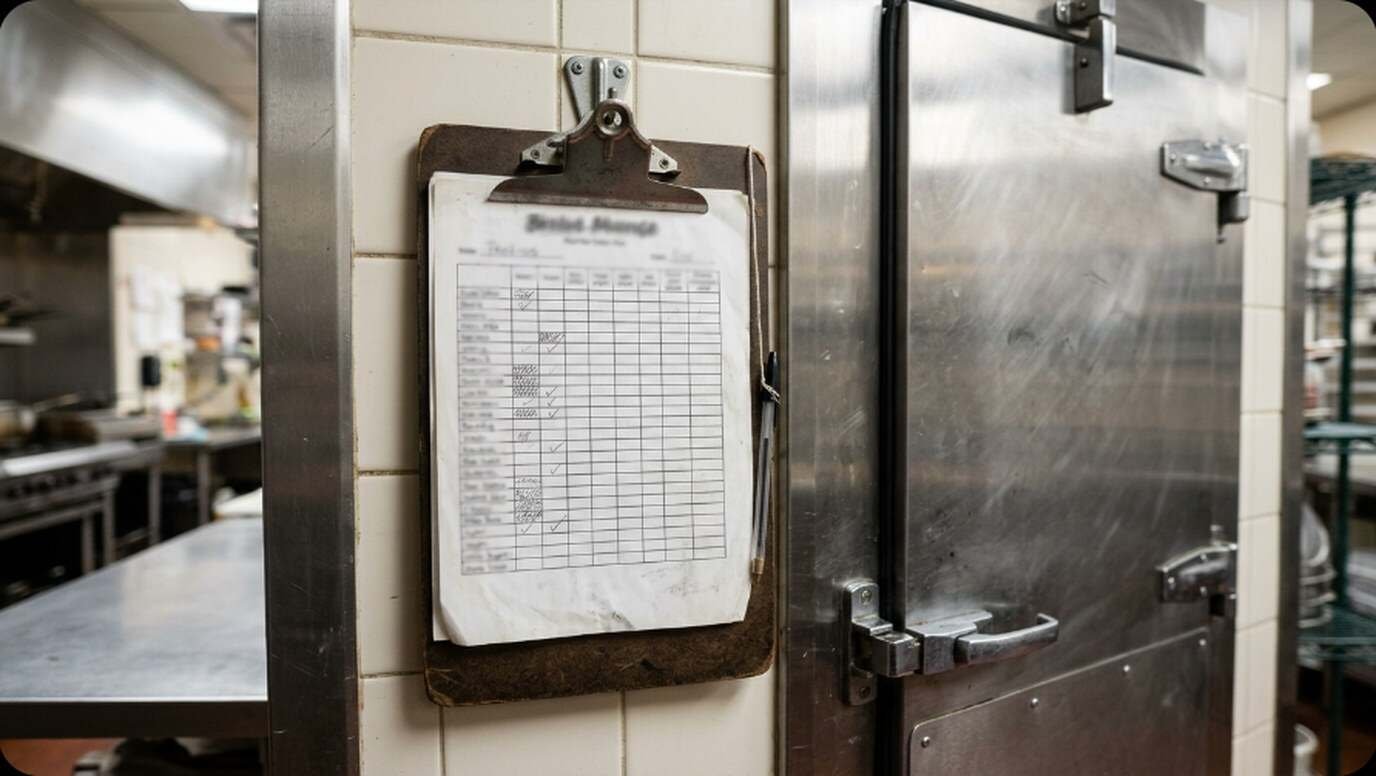
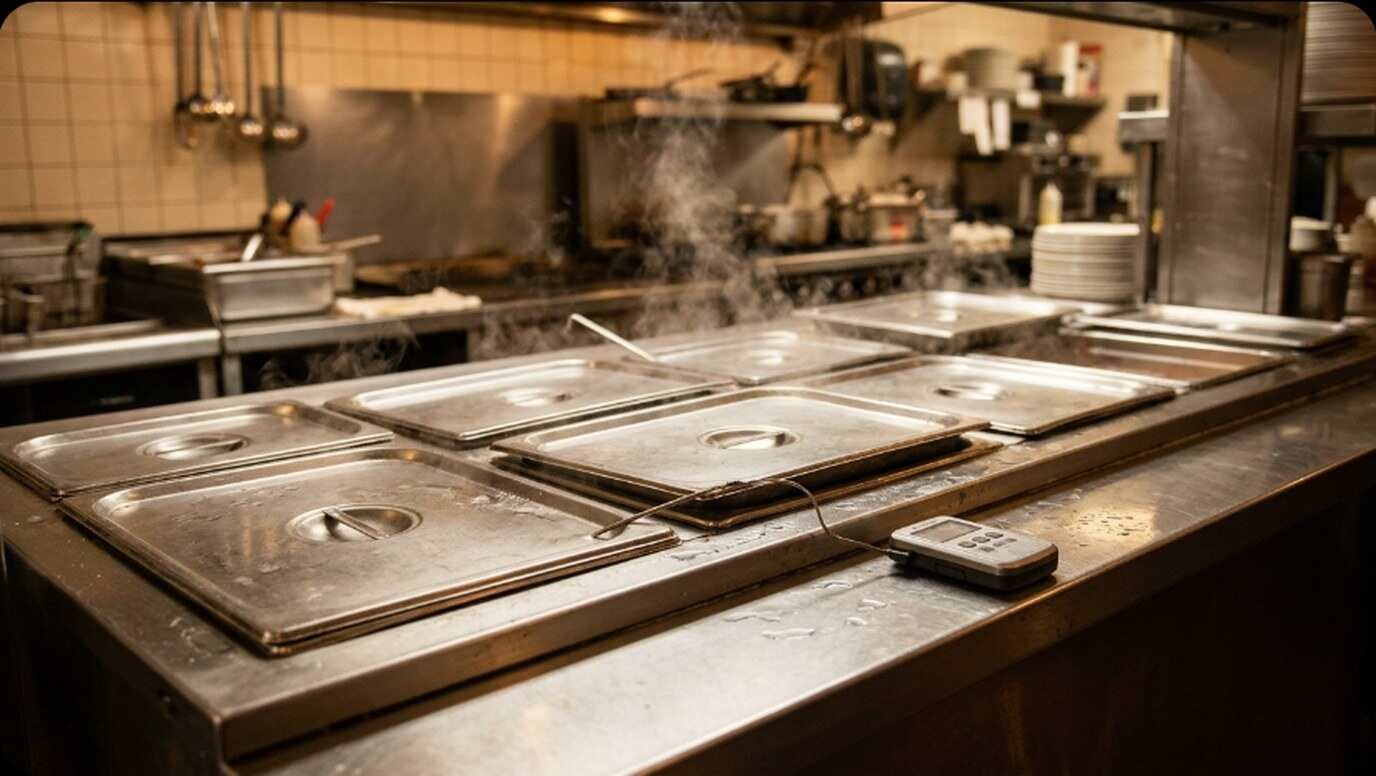
One sheet per unit goes on a clipboard hung beside the door. A kitchen with a walk-in, a freezer, two reach-ins and a steam table has five sheets. Printing the PDF once a month is the whole administrative load.
What to do with an out-of-range reading
A reading outside the limit starts a short sequence: recheck with a probe, look for the cause, and move or discard product according to the kitchen’s own policy and the health department’s rules. The corrective action column holds the result. A blank column next to a bad reading reads, to an inspector, as a reading nobody acted on.
The post on keeping temperature logs for coolers and hot-holding covers the reasons for logging and common failure points, and the guide to what a health inspector looks at first shows where the log fits in an inspection.
Keeping the records
Completed sheets are filed by month and unit. A year of them takes up one folder. They also make a repair call faster, since a compressor drifting upward over three weeks is visible on paper before the cooler fails on a Friday night.
The sheet pairs with the receiving checklist, which captures temperature at the door, and with the other free sheets on the restaurant templates page.
Downloads
Sources
- New York State Sanitary Code, food temperature provision
- Section 14-1.40, temperature and refrigeration requirements
- New York State Sanitary Code, storage facility thermometers
This is general information, not legal advice. Confirm the limits that apply to a specific permit with the county health department.