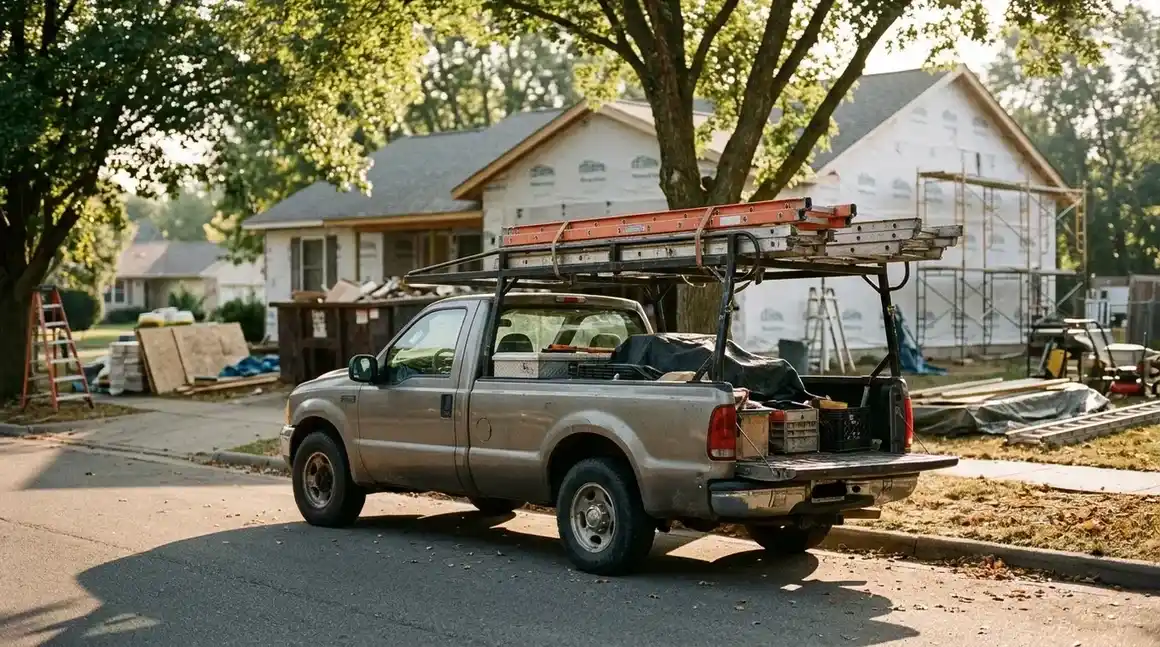
A homeowner’s deposit, in New York, does not belong to the contractor who cashes it. Under Lien Law § 71-a(4), payments received on a home improvement contract before substantial completion must go into an escrow account at a New York bank within five business days, and the money stays the owner’s property until the contractor applies it as the payment schedule allows.
Getting paid is the part of the trades nobody trains for. A plumber or electrician learns the code and the craft, then discovers the business runs on deposits, progress payments, retainage and, occasionally, liens. New York has specific rules for each, and they differ sharply between a kitchen remodel and a commercial job.
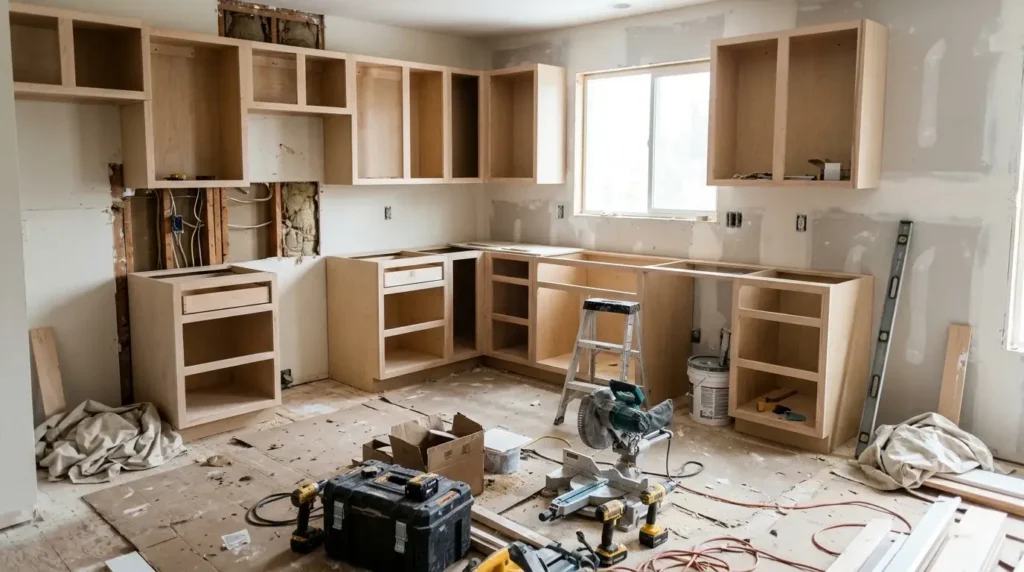
Deposits on home improvement jobs
The contract itself has to set up the money. New York’s General Business Law § 771 requires home improvement contracts to state the agreed price, and when there are progress payments, a schedule showing each payment in dollars and cents, tied to the state of completion. Each payment must bear a reasonable relationship to the work, materials or expenses at the time.
The escrow rule in § 71-a(4) then governs the deposit:
- Pre-completion payments go into an escrow account at a bank or similar institution in New York within five business days.
- If the contract does not name the bank, the contractor must notify the owner in writing within ten business days after the deposit.
- Instead of escrow, the contractor may give the owner a surety bond, a contract of indemnity or an irrevocable letter of credit within ten business days of receiving the payment.
- Withdrawals cannot exceed the amounts in the contract’s payment schedule.
Payments made on an hourly or time basis for work completed or materials supplied are not treated as progress payments under § 771, so they fall outside the deposit requirement, a point covered in the earlier post on flat-rate and time-and-materials pricing.
The homeowner side of the same rules shows up in the state Attorney General’s home improvement fact sheet: never pay the full price upfront, hold the final payment until the work is finished and inspected, and ask whether pre-completion payments go into escrow or are covered by a bond.
Commercial jobs: the prompt payment law
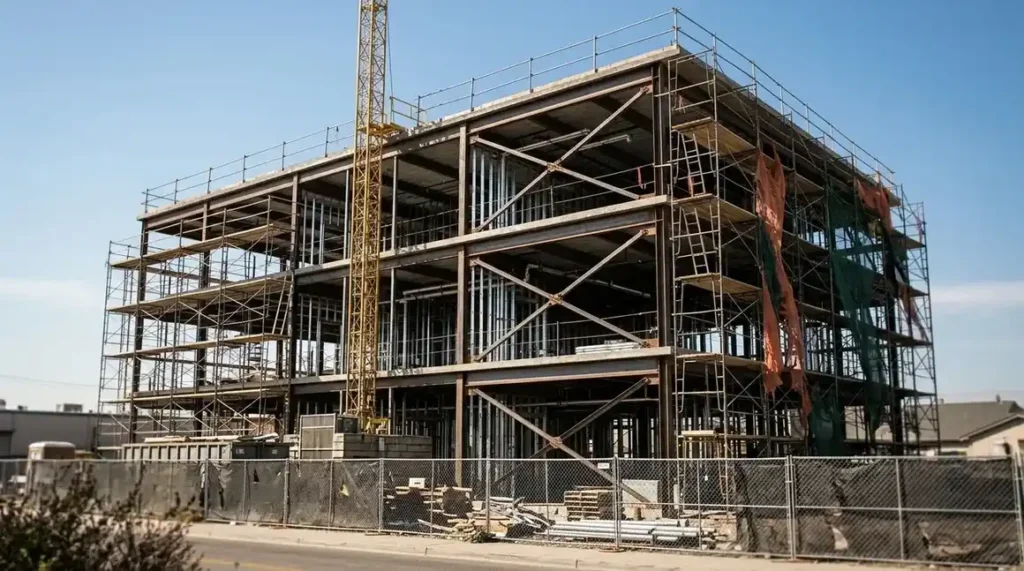
Larger private projects fall under a separate statute, General Business Law Article 35-E. Its definitions cover agreements to construct, alter, maintain or demolish a building or improvement where the project’s total cost is $150,000 or more. Excluded are individual one-, two- or three-family homes, residential tract developments of 100 or fewer one- or two-family dwellings, projects of 4,500 square feet or less, certain assisted residential projects under 75 units, and public works.
| Rule | What the law says | Section |
|---|---|---|
| Invoice approval | Owner approves or disapproves all or part of an invoice within 12 business days | § 756-a |
| Payment | Due no later than 30 days after approval | § 756-a |
| Paying subs | Contractor pays subcontractors within 7 days of receiving good funds | § 756-a |
| Late interest | 1 percent per month on the unpaid balance, unless the contract sets a higher rate | § 756-b |
| Suspending work | Allowed after at least 10 calendar days’ written notice if undisputed amounts stay unpaid | § 756-b |
| Retainage | No more than 5 percent of the contract sum, by mutual agreement; released within 30 days after final approval | § 756-c |
The text of each rule is in sections 756-a, 756-b and 756-c. The suspension right is the most practical: a contractor that is not being paid on a covered job can stop work lawfully, after notice, instead of financing the project.
Mechanic’s liens: the deadline
When payment does not come, a contractor or supplier on a private job can file a mechanic’s lien against the property. The deadlines under Lien Law § 10:
| Situation | Deadline to file the notice of lien |
|---|---|
| Most private projects | Within 8 months after completion of the contract or final furnishing of labor or materials |
| Single-family dwelling | Within 4 months after completion |
| Lien for retainage | Within 90 days after the retainage was due to be released |
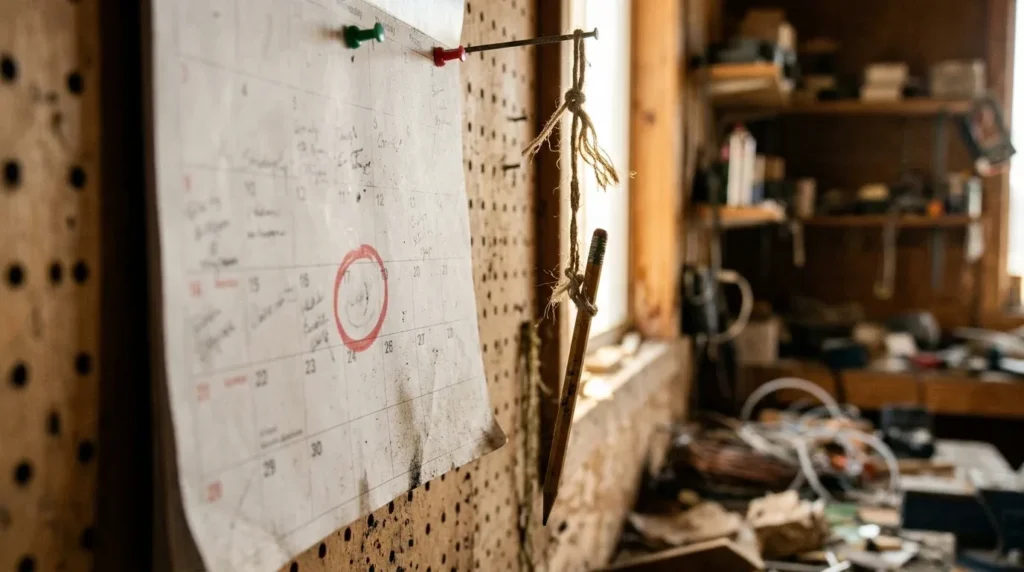
Four months goes quickly on a residential job, and the clock starts at completion, not at the first missed payment. A lien is a legal filing with consequences for the property owner, so a contractor considering one should talk to a construction lawyer well before the window closes.
Small claims for smaller balances
For a modest unpaid invoice, small claims court is the faster route. In Suffolk County, the District Court’s small claims page says the court hears claims up to $5,000, and that a corporation, partnership or association can sue a person or a business.
A payment setup that holds up
- Write the schedule into the contract. Dollar amounts tied to stages of the work, as § 771 requires for home improvement jobs.
- Handle deposits by the book. Escrow within five business days, or a bond or letter of credit, and notice to the owner of where the money is.
- Invoice in the statute’s rhythm on commercial work. On jobs covered by Article 35-E, approval and payment clocks start with a proper invoice.
- Calendar the lien deadline at completion. Four months for a single-family house, eight for most other private work.
- Know when to stop working. On covered commercial jobs, 10 days’ written notice preserves the right to suspend.
Licensing comes first, and Long Island’s rules for the two biggest trades are in the posts on plumber licenses and electrician licenses. Payment rules decide whether the licensed work turns into a living.
For informational purposes only — consult a licensed attorney or financial advisor.
Sources
- New York Lien Law § 71-a
- New York General Business Law § 771
- New York State Attorney General, Home improvement fact sheet
- New York General Business Law § 756
- New York General Business Law § 756-a
- New York General Business Law § 756-b
- New York General Business Law § 756-c
- New York Lien Law § 10
- NY Courts, Suffolk County District Court Small Claims