Restaurant insurance is a set of separate policies, and the names on them do not always match the risks a kitchen and dining room carry. The U.S. Small Business Administration lists general liability, commercial property, business owner’s policies and professional liability as distinct products, and the District of Columbia’s insurance regulator adds workers’ compensation, liquor liability, food spoilage and equipment breakdown to the list for restaurants. Each pays for a different kind of loss. No single one pays for all of them.
This post follows what government pages and the insurance industry’s own research group say each coverage does, then adds the New York rules that apply to employers and to businesses that sell alcohol. No premiums are quoted. The New York Department of Financial Services says premiums vary widely, and none of the pages read for this post publish a price a restaurant could rely on.
What general liability covers
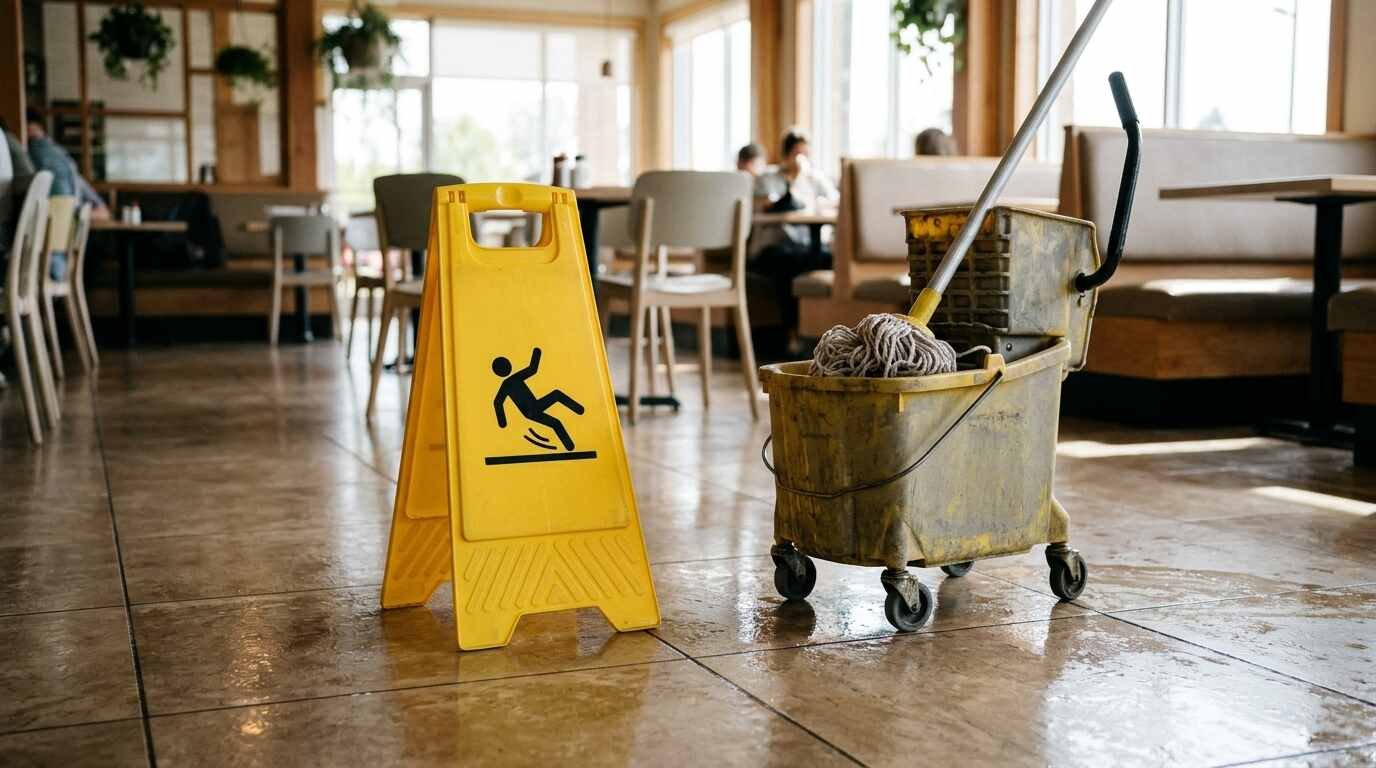
General liability is the policy that answers when someone outside the business is hurt or their property is damaged. The SBA describes it as coverage for bodily injury, property damage, medical expenses, libel, slander, lawsuit defense and settlements or judgments, and says it fits any business. The Insurance Information Institute, known as Triple-I, adds that the coverage includes damages, penalties, attorney’s fees and the cost of defending a claim. It can be bought alone or inside a package.
The D.C. fact sheet for restaurants gives the same four headings: bodily injury, property damage, personal injury and advertising injury.
One detail decides which policy answers a claim filed late. Triple-I explains that most general liability policies are written on an occurrence basis, meaning the policy in force when the injury or damage happened responds, even if the claim arrives later or the restaurant has changed insurers since. A claims-made form works the other way, with the policy in force when the claim is made responding, and Triple-I says that form is used for a small share of liability insurance, mainly medical malpractice and other professional liability. Which form a given policy uses is printed on the policy, and an agent can point to it.
None of the sources read here says how a policy treats a customer’s claim about the food itself. That is a question for the policy wording and the agent, not something these pages settle.
Property, business income and the restaurant add-ons
Property coverage pays for damage to what the business owns. The SBA lists fire, storms and vandalism among the causes, and the D.C. fact sheet says business property insurance protects physical assets, inventory and the space itself.
Closing for a week after a fire costs more than the damaged equipment. Business income coverage addresses that. The D.C. regulator’s fact sheet says it helps cover payroll and related bills if the business is interrupted, and Triple-I calls business interruption a key optional coverage that pays lost income after a fire or other catastrophe and can include the extra cost of operating from a temporary location.
The fact sheet, titled as a 2024 business insurance fact sheet for restaurants, separates several coverages that a restaurant owner might assume are included:
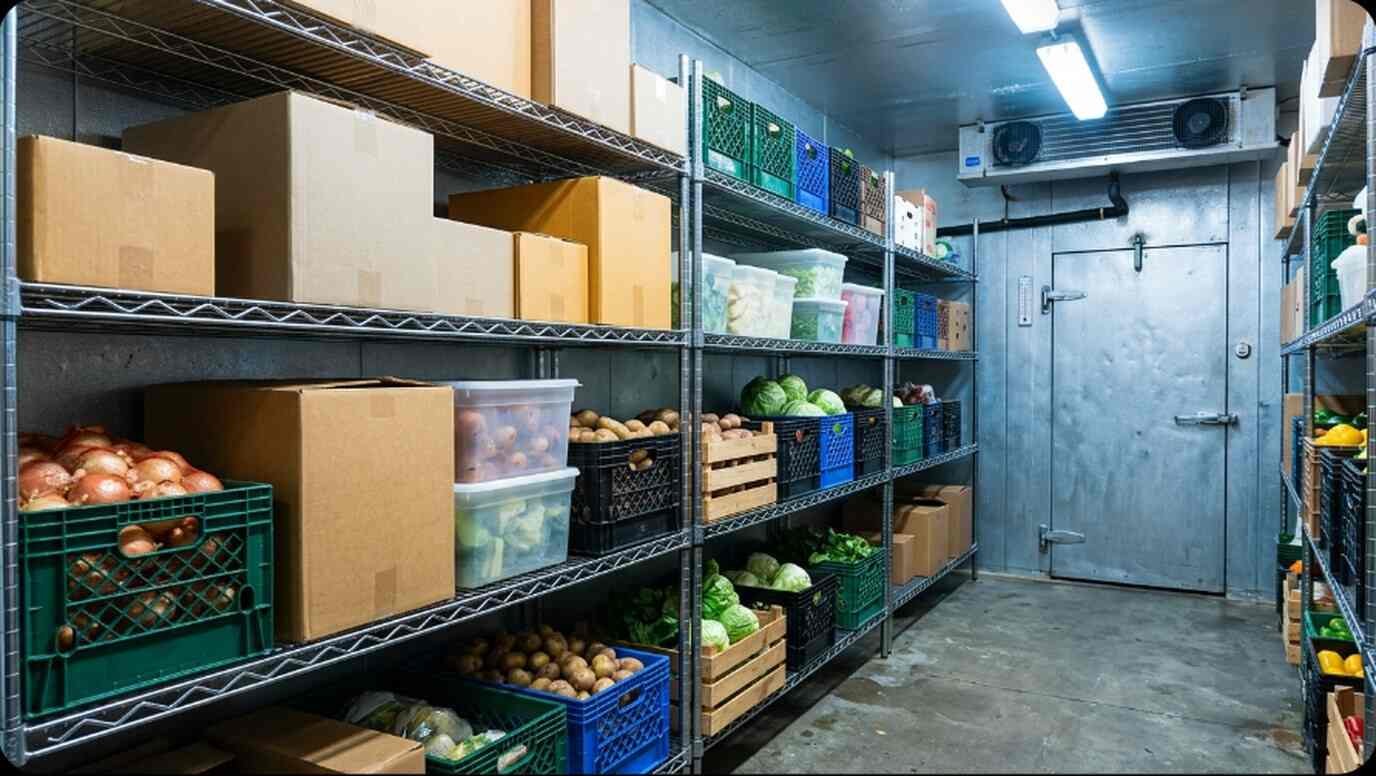
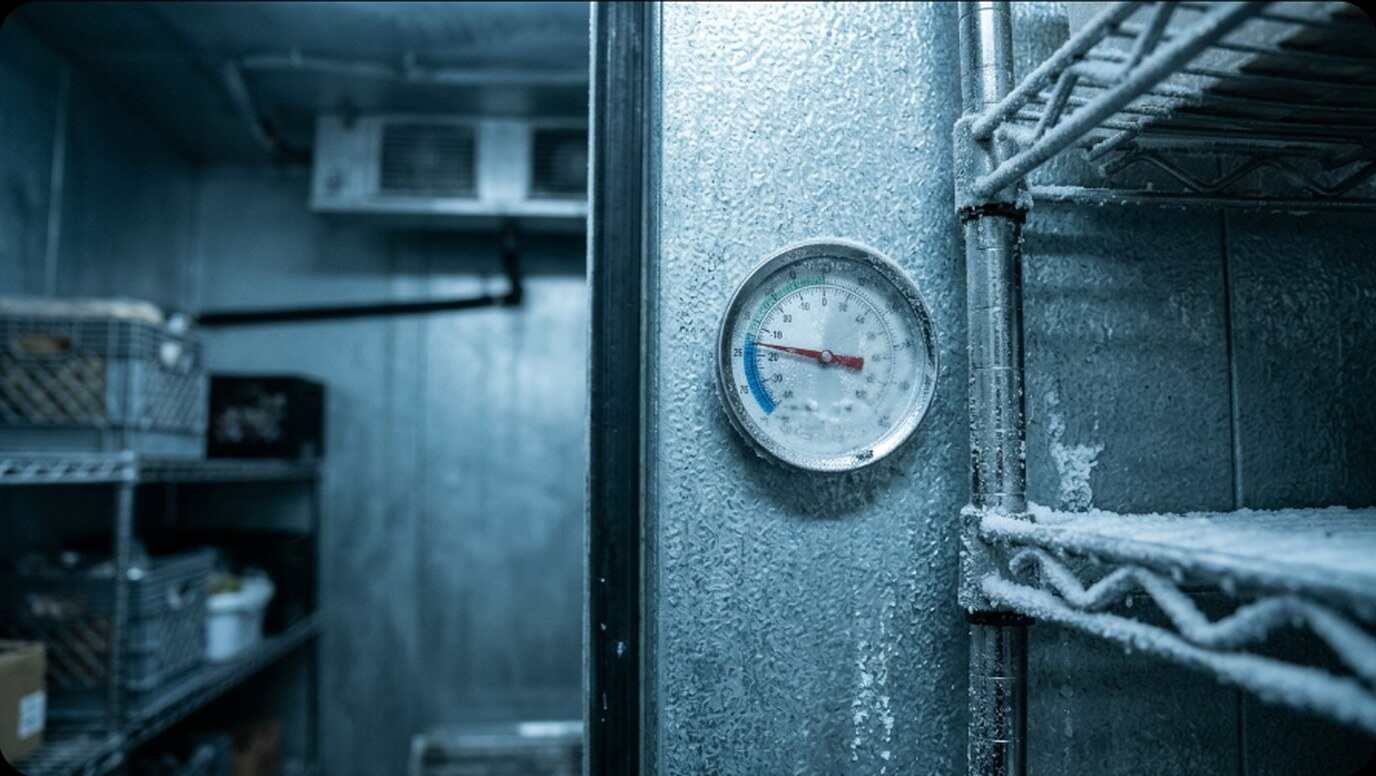
- Food spoilage: reimburses the cost of food and beverage spoiled by certain covered events.
- Equipment breakdown: covers loss caused by the mechanical or electrical failure of equipment.
- Flood and sewer backup: the sheet states that most homeowners and business policies do not cover flooding or sewer backup.
The fact sheet is written for the District of Columbia, so its local points, such as sidewalk and plaza rules, do not carry over to New York. It is the most detailed restaurant-specific list from a government source found for this post, and the coverages themselves exist in every state. For flood, the New York Department of Financial Services points small businesses to the National Flood Insurance Program, which it lists at 1-800-638-6620.
The business owner’s policy and its gaps

A business owner’s policy, or BOP, bundles property and liability coverage into one package. The SBA says it suits most small owners and can simplify buying and save money. Triple-I adds that smaller and mid-size companies often buy one, and that business interruption is an optional addition.
The limits matter as much as the bundle. Triple-I states that BOPs do not cover professional liability, auto insurance, workers compensation or health and disability insurance. For an employer, the last two are the ones the state itself requires, and they are handled separately.
Workers’ compensation and disability benefits in New York
The New York State Workers’ Compensation Board states that virtually all employers in New York State must provide workers’ compensation coverage for their employees. For a for-profit business that includes part-time, temporary and seasonal workers, and unpaid workers such as family members. Employers must also post a notice of coverage at each place of business. The Board lists exceptions, among them sole proprietors, partnerships and LLCs that have no employees.
The Board’s violations page describes what follows when coverage lapses. An employer without coverage for 10 or more consecutive days could receive a penalty up to $2,000 for each 10-day period of non-compliance. Criminal penalties depend on headcount: with five or fewer employees in a 12-month period the violation is a misdemeanor with a fine of $1,000 to $5,000, and with more than five it is a class E felony with a fine of $5,000 to $50,000. The Board can also issue a stop-work order that halts all business activity, and sole proprietors, partners and a corporation’s president, secretary and treasurer can be held personally liable.
Premiums follow payroll. The Department of Financial Services notes that workers’ compensation rates are based on payroll and depend heavily on the industry, so coverage should be updated as a workforce grows. How a restaurant tracks that payroll against sales is covered in restaurant labor cost and scheduling.
Disability benefits are a separate New York requirement. The NYC Business portal, citing the Workers’ Compensation Board, states that employers must give disability benefits to workers in the state. The benefit covers non-work injuries and illnesses. Employers can buy it from a private insurer, from the New York State Insurance Fund or through self-insurance, with legal exemptions in only a few cases, and may collect money from employees to help pay for it. The Department of Financial Services’ small business guide describes wage continuation beginning after the seventh day and lasting up to six months.
Liquor liability and New York’s dram shop statute

A restaurant that serves alcohol takes on a separate exposure. The D.C. fact sheet says liquor liability insurance offers coverage for liquor-induced fights, altercations and other claims, and advises making sure the policy includes assault and battery coverage. The sheet lists it as its own coverage, apart from general liability. Whether a particular general liability policy responds to an alcohol-related claim depends on its wording.
New York’s civil damage statute explains why the exposure exists. Section 11-101 of the General Obligations Law gives a person injured by an intoxicated person, in person, property, means of support or otherwise, a right of action against any person who shall, by unlawful selling to the intoxicated person, cause or contribute to the intoxication. The injured party may recover actual and exemplary damages. The text does not state a dollar cap or a filing deadline. The version shown on the New York State Senate site carries a revision date of September 22, 2014.
How that statute applies to a given incident is a question for a lawyer. For insurance, the narrower point is that the exposure is real enough for liquor liability to be sold as a coverage of its own.
Other coverages and questions for an agent
The D.C. fact sheet lists several more. Umbrella liability adds protection above the base liability limits. Employment practices liability covers allegations such as wrongful termination, a point the New York regulator echoes when it warns that liability policies may not cover wrongful termination, harassment or contract non-performance claims. Crime coverage addresses employee dishonesty and outside crime. Cyber liability covers internet-based risks such as hacks. The sheet also notes that a bond may be needed when a license or permit requires one, which the licensing authority can confirm. A restaurant’s written rules for staff, covered in employee handbook basics for a small restaurant, sit on the employment side of that list.
The same sources suggest where to begin when comparing policies:
- Deal with a licensed insurance representative, and ask for the carrier’s rating from A.M. Best, Standard & Poor’s or Duff & Phelps, as the Department of Financial Services advises.
- Ask whether the carrier is licensed in New York. The department warns that non-admitted and excess lines carriers call for special caution.
- Ask whether the liquor policy includes assault and battery coverage, and whether food spoilage, equipment breakdown and business income are included or sold separately.
- Compare rates and terms from several agents. The SBA notes that agents earn commissions from insurers.
- Review coverage every year. The department lists carrying no coverage, underinsuring liability, skipping commercial auto and skipping annual reviews among the common mistakes.
For informational purposes only — consult a licensed attorney or financial advisor. Coverage terms, exclusions and legal requirements vary by policy and by state, and a licensed insurance agent can confirm what a specific policy covers.
Sources
- Get business insurance, U.S. Small Business Administration (legacy site, last updated April 8, 2024): https://legacy.sba.gov/business-guide/launch-your-business/get-business-insurance
- Types of policies, Triple-I: https://www.iii.org/publication/commercial-insurance/what-it-does/types-of-policies
- Business Insurance Fact Sheet for restaurants, D.C. Department of Insurance, Securities and Banking: https://disb.dc.gov/sites/default/files/dc/sites/disb/publication/attachments/2024_Business_Insurance_Fact_Sheet_Restaurant_v2.pdf
- Small Business, New York State Department of Financial Services: https://www.dfs.ny.gov/consumers/small_businesses
- Workers’ Compensation Coverage Requirements, New York State Workers’ Compensation Board: https://www.wcb.ny.gov/content/main/coverage-requirements-wc/wc-coverage-required.jsp
- Violations of the Workers’ Compensation Law, New York State Workers’ Compensation Board: https://www.wcb.ny.gov/content/main/Employers/violations-wclaw.jsp
- Employee disability coverage, NYC Business: https://ur.nyc-business.nyc.gov/nycbusiness/description/employee-disability-coverage
- General Obligations Law section 11-101, New York State Senate: https://www.nysenate.gov/legislation/laws/GOB/11-101
- Everything You Need to Know About General Liability Insurance: A Guide for Food Businesses, Food Liability Insurance Program on YouTube: https://www.youtube.com/watch?v=_RzigTiiIw4
- Restaurant labor cost and scheduling, Till Post: https://tillpost.com/restaurant-labor-cost-scheduling/
- Employee handbook basics for a small restaurant, Till Post: https://tillpost.com/employee-handbook-basics-small-restaurant/