The Entenmann’s bakery in Bay Shore stopped production on August 13, 2014. In the 1990s the plant had employed more than 1,500 people, and by that last summer it was down to 265, of whom 176 were laid off, according to Snack and Bakery. A spokesman for the owner, Bimbo Bakeries USA, gave the reason in one line: “The bakery closed because it can no longer effectively compete in the market.” Out on Middle Country Road in Centereach, Benkert’s Bakery still unlocks its door at six on Saturday and Sunday mornings, and that says something about what competing in that market takes.
Four generations at 2216 Middle Country Road
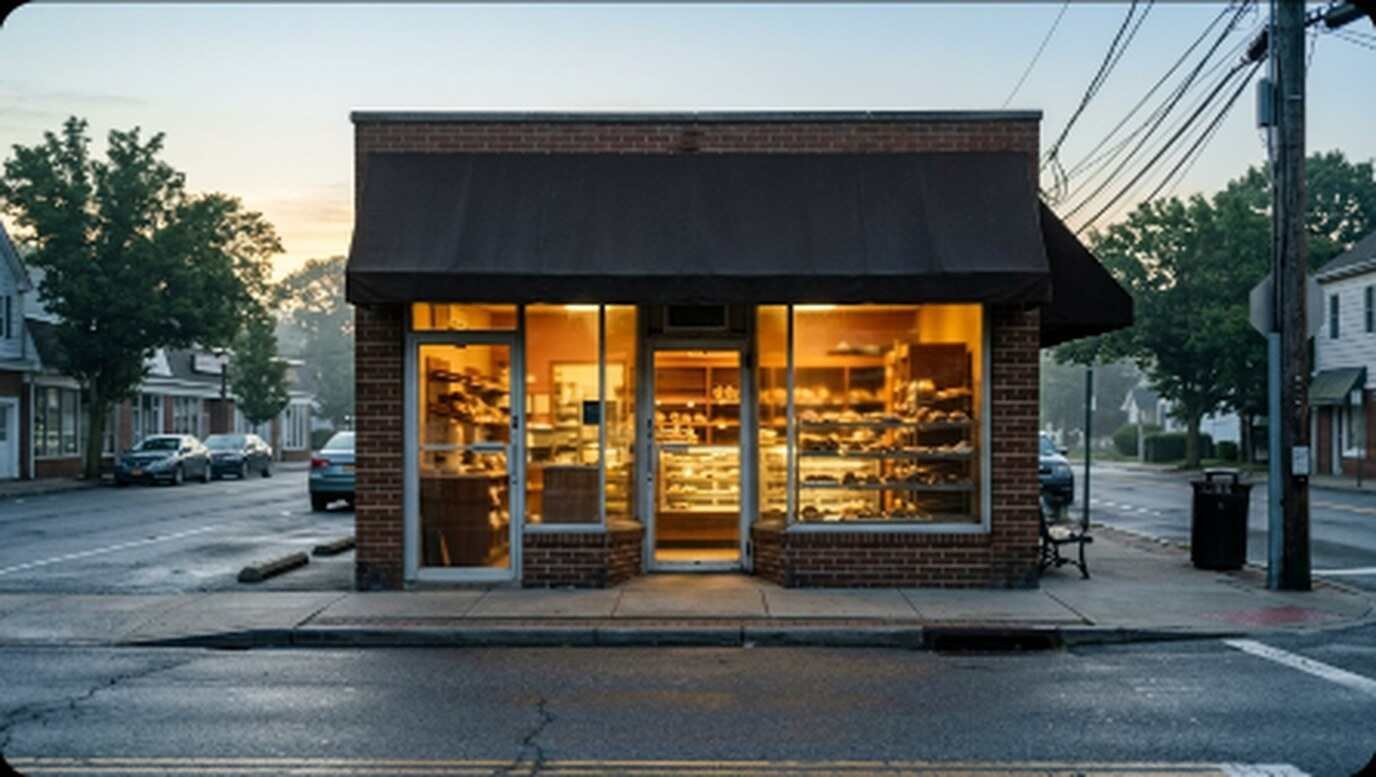
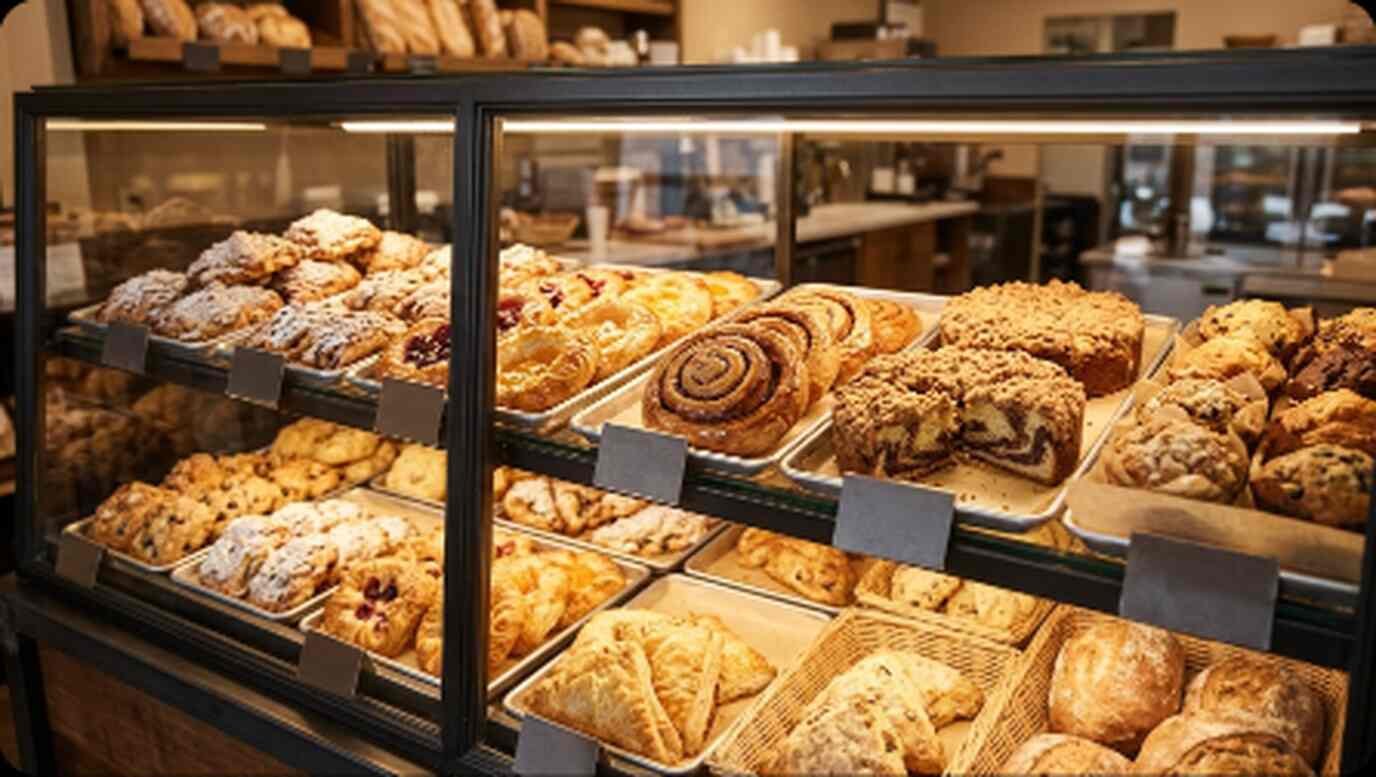
Benkert’s has been run by the Lorch and Janke families for four generations, according to the bakery’s website, and the site puts its whole philosophy in one sentence: “Freshness and quality are our trademarks.” The list behind the glass is what a Long Island neighborhood bakery is supposed to carry and what too many have stopped carrying: fresh pastries, rolls and bread, layer cakes, cheesecakes, coffee cakes, and custom cakes, wedding cakes included, sold under the name Cake Wizard. The site also calls the shop “the finest in all of Long Island… or anywhere!” A diner owner who has written his own menu copy is in no position to argue with a bakery’s adjectives.
Weekday hours run 7 a.m. to 6 p.m., and weekends start an hour earlier. The phone number is (631) 585-8618 and the email is BenkertsBakery@gmail.com, both posted on the site along with an Uber Eats link for a box brought to the house and a request that anyone with a food allergy tell staff before ordering. LongIsland.com put Benkert’s on a January 2012 list of local bakeries for people with a sweet tooth, at the same Centereach address it uses now, and the site’s business directory still files it under Food and Drinks, Bakeries.
Bakeries also make bakers.
When Guy Gagliano closed Swan Bakery in East Patchogue in August 2021 after 28 years, Patch ran his story, and the list of shops where he worked before he and his wife, Valerie, bought Swan in 1993 included the bakery in Centereach. He trained at Eastern Suffolk BOCES, was named Outstanding Student Baker in New York State, and put 51 years into the trade. A neighborhood bakery is a trade school with a cash register, and the graduates go on to light ovens of their own.
Long Island baking started on a wagon
The biggest bakery story on the Island began as a delivery route. William Entenmann, an immigrant from Germany, opened a bakery in Brooklyn in 1898 and sold to homes from a horse-drawn wagon, NBC News reported in its obituary of his grandson Charles. The family moved the business to Bay Shore after William’s son fell ill and needed care there, and the route kept running. Its customers included the Morgan and Vanderbilt families.
The turn came after Charles’s father died in 1951. Charles, his mother and his two brothers decided to “start supplying their baked goods to supermarkets,” and the see-through window on the box carried the brand for decades. The company was sold in 1978, changed hands several more times, and now belongs to Bimbo Bakeries USA. CBS New York reported in March 2014 that the plant, built in 1961 on 14 acres on Fifth Avenue in North Bay Shore, would close that summer, and production went to other company sites, Pennsylvania among them.
That arc is the history of Long Island baking in a single family. A shop sells to its neighbors, grows into a brand, moves into the supermarket aisle, gets bought, and one day the ovens leave. The neighborhood bakeries that stayed small made a different bet, which was that people would keep driving to a counter for a cake with a name piped across the top.
What a diner buys from a bakery
A broadline distributor brings a diner almost everything it needs, on a truck, on a schedule. I have bought from distributors since we opened in 2000 and have written about a few of them, including Marathon Foodservice and DiCarlo Distributors, and the truck is the spine of the building. Frozen cheesecakes and pies come on it in case packs, ready to thaw in the walk-in.
A birthday cake does not.
A neighborhood bakery fills the gaps the truck leaves: a cake for a regular’s birthday, a tray of pastries for a party booked on a Sunday afternoon, a coffee cake for the case on a slow weekday. Those orders run on a phone call and a pickup, and the person taking the call wants to know whether the cake is for a christening or a retirement, because the lettering changes and so does the size. That kind of question has never come printed on the side of a case pack.
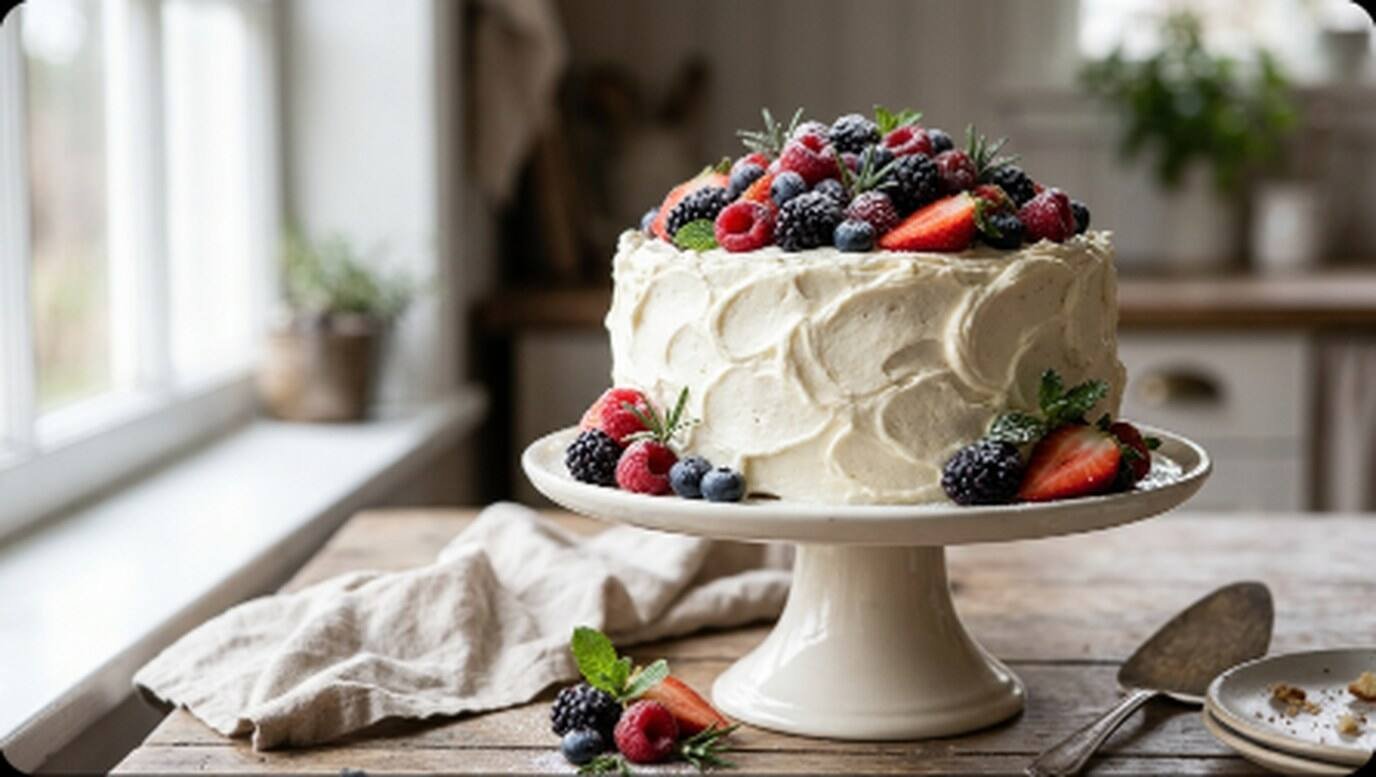
There is a selling point in it too. A customer who sees a real bakery’s cake under the dome on the counter reads the whole room differently, the way a clean flat-top tells a stranger the kitchen behind it is probably kept clean as well. Nobody has to explain it. The cake does the talking, and it never asks for a raise.
New York’s rules on where a restaurant’s cake comes from
The state’s rule for my side of the counter is short. Under the New York State Sanitary Code, 10 NYCRR 14-1.31(d), “Food is to be obtained from approved sources that comply with all laws relating to food and food labeling.” One sentence, and it covers the cheesecake, the rolls and the flour sack in my own kitchen.
The baker’s side runs longer. The Department of Agriculture and Markets licenses food businesses, and its retail food store license is for shops that sell food for off-premises consumption and do no processing. Baking counts as processing. The department’s Article 20-C license covers food manufacturers and processors, and its licensing page says that this “includes wholesale or retail in-store bakery operations, including bake-off operations.” A retail bakery mixing and baking on its own premises sits inside that license, which is the plain meaning of an approved source.
Here is where my case for the neighborhood bakery runs into the law. New York also lets people bake at home and sell it, and the state’s home processing rules say a registered home processor is “allowed to sell your items wholesale to local facilities (restaurants, cafes, grocery stores, etc.)” Breads, rolls, muffins, cookies, cakes, cinnamon rolls and coffee cake are all on the approved list. So the license is not the reason a diner would buy a coffee cake from a bakery instead of a kitchen down the block. Legally, the kitchen down the block works fine.
The harder part sits in the fine print, and it cuts the other way. Home processors cannot sell anything that needs refrigeration, and the state bars whipped cream, buttercream and cream cheese frostings. That rules out the cheesecake, the layer cake and most of what a customer means when they say birthday cake, which is most of what a diner needs from a baker in the first place. The law draws its line almost exactly at the walk-in door. On the cold side of that line the choice is a licensed bakery or a box off a truck, and a box off a truck is what Entenmann’s was, right up until it could no longer compete.
Setting up a standing order with a neighborhood bakery
Benkert’s website does not describe restaurant accounts, so the start for any restaurant is the phone number or the email on the site and a conversation at the counter. A retail bakery’s first customers are the people in line, and a diner asking for a weekly order is asking for room on a bench that already has a morning’s work on it. The questions worth settling before the first order are the same with any small baker:
- The lead time for custom and celebration cakes, written down where the whole floor staff can see it.
- Whether the bakery will take a standing weekly order for the items that sell every week.
- Ingredient and allergen information for each item, because the server is the one answering at the table. The allergen basics post covers what a small restaurant has to know.
- A price per cake or per piece, so the cost goes on a costing card and the menu price follows from it.
- A check at the back door for every pickup or drop: count, condition and temperature against the order, using something like the receiving checklist.
Bought-in desserts are a margin question as much as a quality one. The menu pricing post walks through how a slice gets priced so the case earns its electricity, and the arithmetic does not change because the cake came from a family shop instead of a pallet.
Six on a Saturday morning
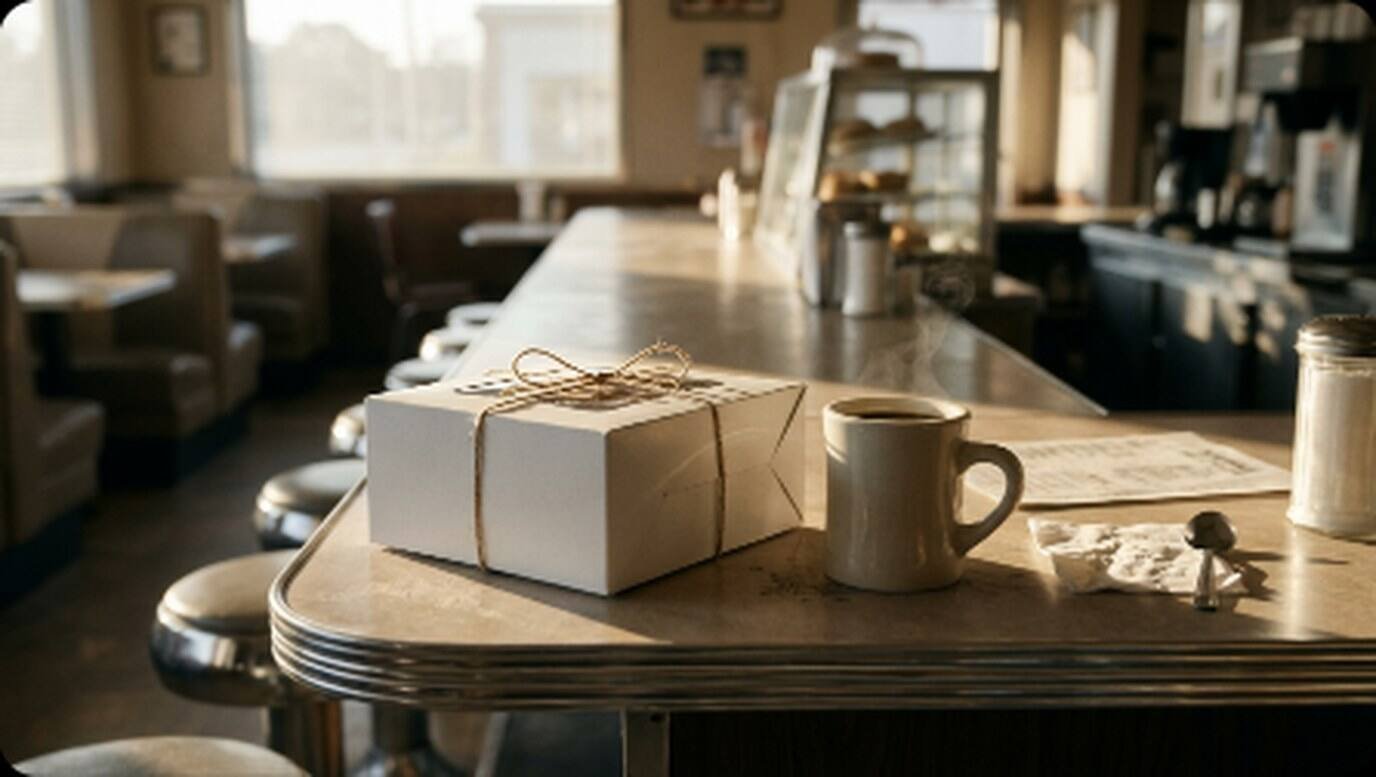
The weekend hours are the detail I keep coming back to. Bread that is on a shelf at six in the morning was not made at six, and anyone who has lit a grill in the dark knows what the hour before opening costs in sleep, in the knees and in the lower back. A pickup on a weekend morning is a few minutes in a parking lot, a white box on the passenger seat, and back to a dining room that is already filling.
Entenmann’s had 14 acres in North Bay Shore and a name on supermarket shelves across the country, and the plant still went dark in August 2014. Benkert’s has an address on Middle Country Road, a phone number, an email, and four generations of two families behind the counter. On weekends the door opens at six.
For informational purposes only — consult a licensed attorney or financial advisor.
Sources
- Benkert’s Bakery, official website
- LongIsland.com, Benkert’s Bakery directory listing
- LongIsland.com, “Today’s Top 10: Sweet Tooth? Check Out These Local Bakeries” (January 24, 2012)
- Patch, Swan Bakery and Guy Gagliano (2021)
- NBC News, Charles Entenmann obituary
- CBS New York, “Entenmann’s To Close Plant In Bay Shore, Long Island” (March 27, 2014)
- Snack and Bakery, “Entenmann’s shuts Bay Shore, NY plant” (August 26, 2014)
- New York Codes, Rules and Regulations, 10 NYCRR 14-1.31
- New York State Department of Agriculture and Markets, Licensing Overview
- New York State Department of Agriculture and Markets, Home Processing