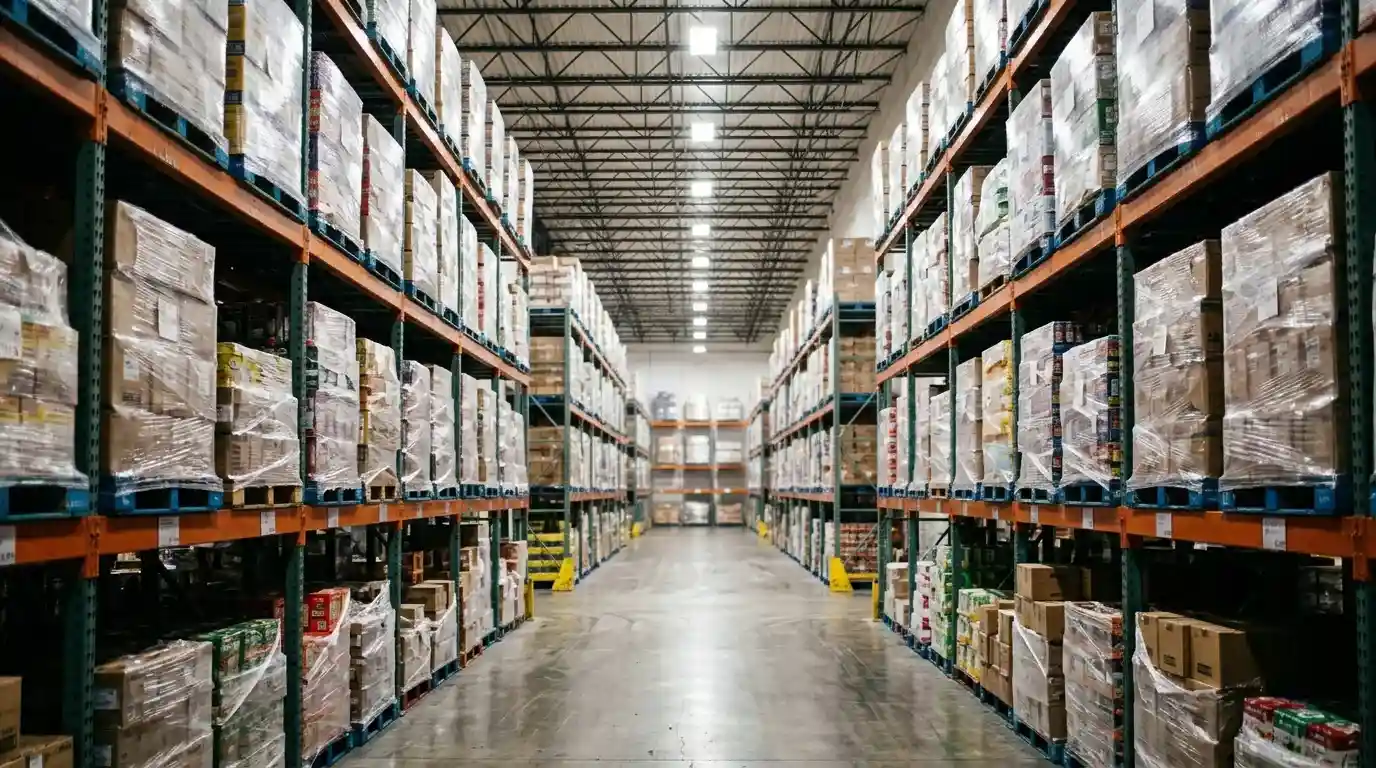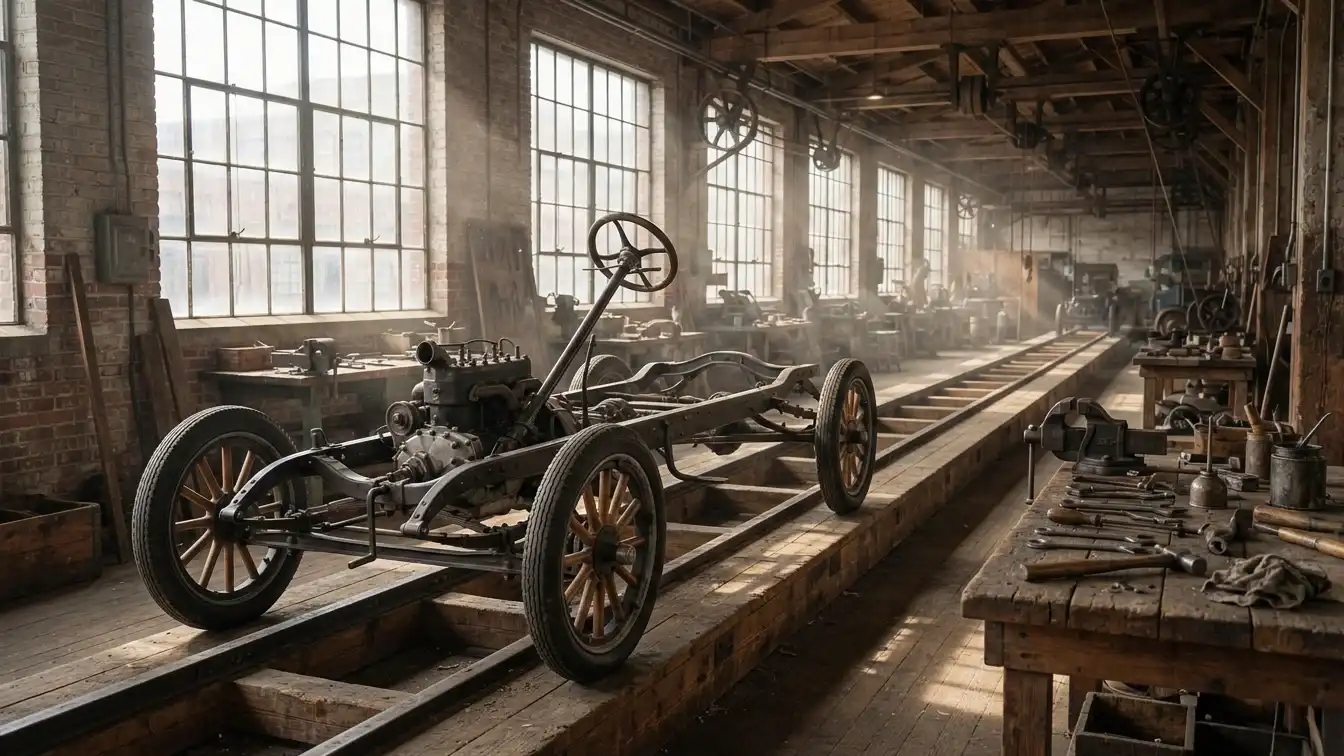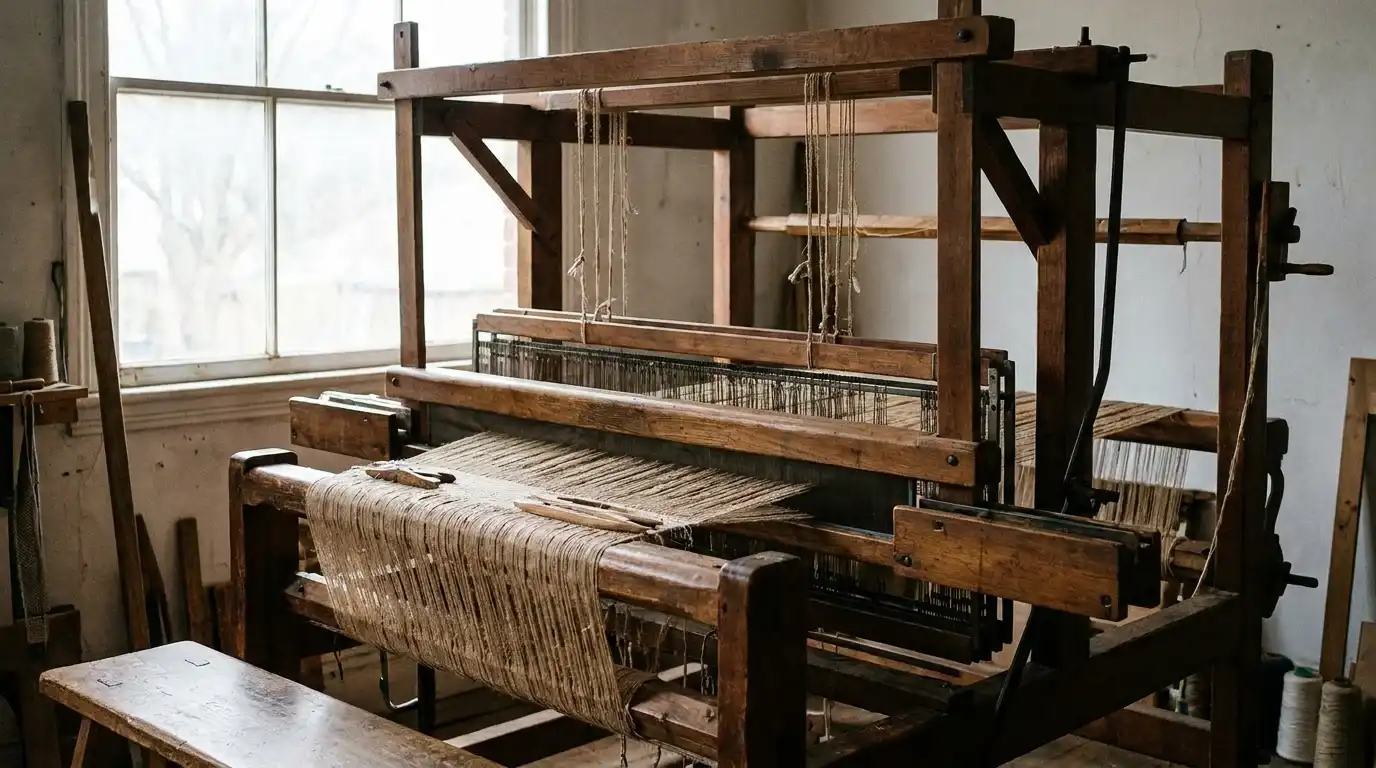
Sakichi Toyoda built a loom that stopped itself when a thread broke. That small mechanism, a machine that halts the moment something goes wrong instead of weaving defective cloth, is where Toyota says the idea of jidoka began, according to the company’s own account of the Toyota Production System.
Taiichi Ohno turned that idea and a second one into a system. Neither requires a car plant, and both scale down to a shop with five employees.
The two pillars
Toyota describes TPS as resting on two pillars. Jidoka means a machine or worker stops the line when an abnormality appears, so defects do not move downstream and people are freed from watching equipment. Just-in-Time means producing only what is needed, when it is needed, in the quantity needed. Kiichiro Toyoda championed Just-in-Time; Toyota quotes him saying, “A complete car cannot be built if even one part is missing.” Ohno, with backing from Eiji Toyoda, built the basic framework for the Just-in-Time method, per Toyota.
Underneath both sits kaizen, the daily, incremental improvement Toyota expects from every employee, aimed at waste (muda), inconsistency (mura) and unreasonable burdens (muri).
Ohno’s seven wastes
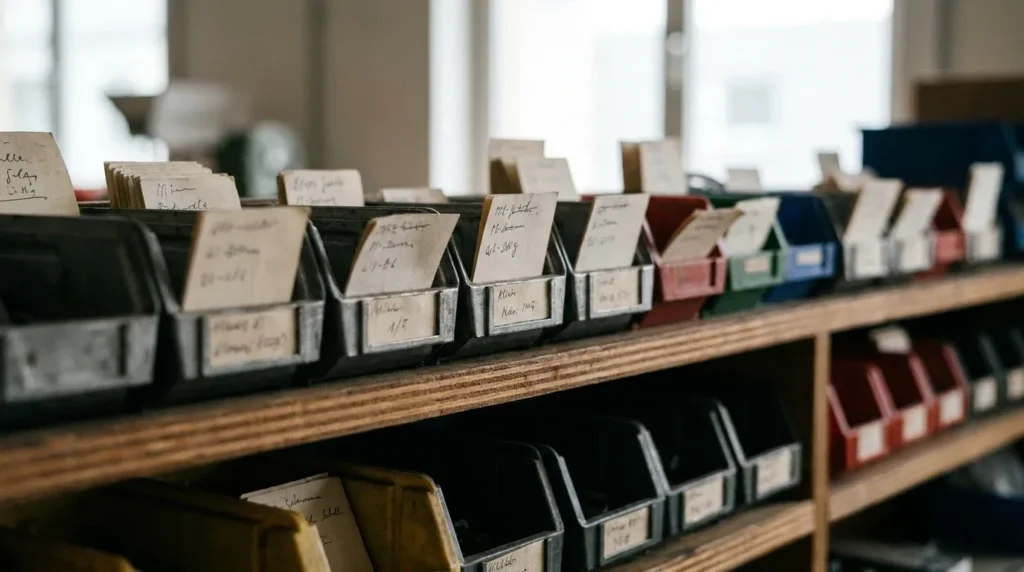
Ohno sorted the waste he saw in mass production into seven kinds. The Lean Enterprise Institute’s lexicon lists them, and calls overproduction “the worst form of waste because it contributes to the other six.”
| Waste (LEI term) | What it is | How it can look in a small kitchen or shop |
|---|---|---|
| Overproduction | Making more, or earlier, than the next step or customer needs | Prepping trays of food that sit until they are tossed |
| Waiting | People idle while machines run, break or parts arrive late | A cook standing by while the only fryer catches up |
| Conveyance | Moving things unnecessarily | Walk-in on the far side of the kitchen from the line |
| Processing | Unnecessary or incorrect work | Re-entering orders by hand into a second system |
| Inventory | More stock than a controlled pull system needs | Three months of a slow-selling item on the shelf |
| Motion | Unnecessary or straining movement, searching for tools or parts | Hunting for the one working thermometer |
| Correction | Inspection, rework and scrap | Remaking sent-back plates |
The right-hand column is illustration, not Toyota doctrine. It is how the categories translate when the factory is a 30-seat dining room.
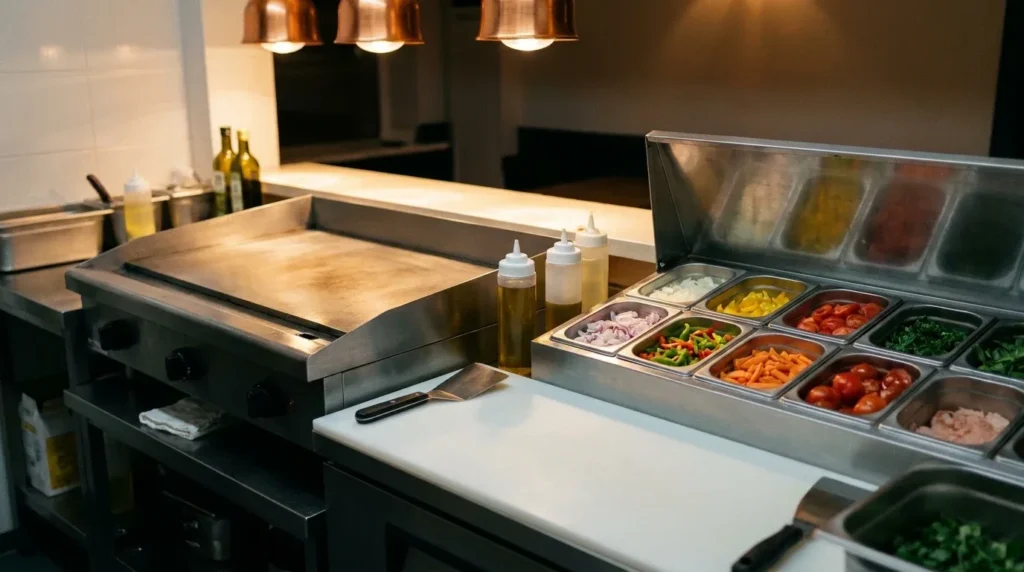
Stopping the line, small-shop version
Jidoka is the harder idea to copy because it costs something right away. Stopping to fix a problem slows the shift now in exchange for not repeating the problem all week. In a shop that means giving any employee permission to flag a bad batch, a broken tool or a recurring mistake, and treating the flag as useful rather than as a complaint.
Waiting waste in particular often comes from one person or one machine being the only one who can do a task. Cross-training is the people side of that fix, covered in the post on cross-training restaurant staff.
A one-week waste walk
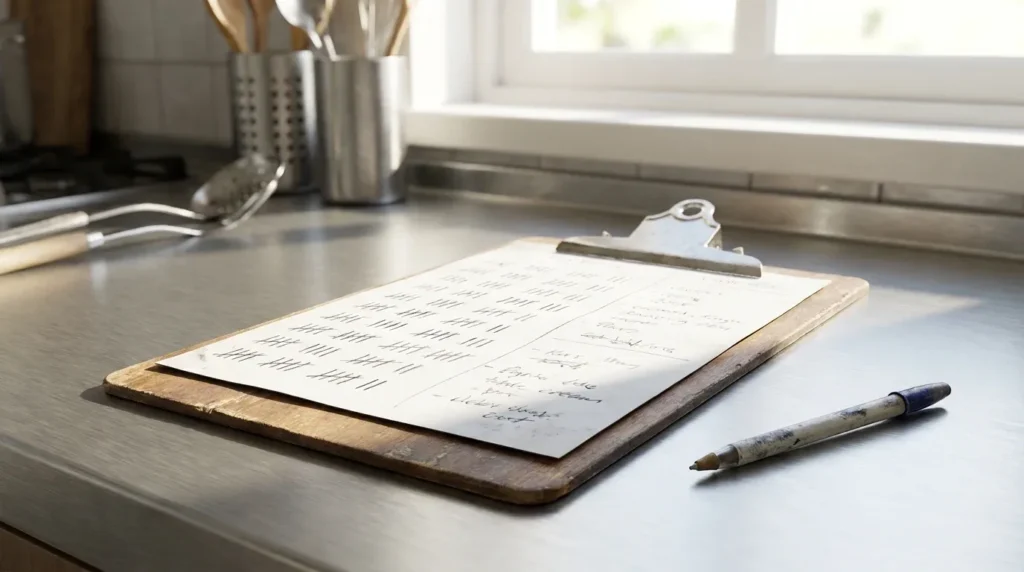
- Day 1, overproduction: write down everything thrown out at close.
- Day 2, waiting: note every time someone stands idle because something else is not ready.
- Day 3, motion and conveyance: count trips to the same storage spot during the rush.
- Day 4, inventory: find the items that have not moved in a month.
- Day 5, correction: tally remakes and returns, and their causes.
Used this way, the list is less a theory than a way of making waste visible enough to argue about.
Further reading
- Toyota Production System: Beyond Large-Scale Production: Taiichi Ohno’s own account of the system, with a foreword by Norman Bodek. See it on Amazon (affiliate link)
As an Amazon Associate I earn from qualifying purchases. A commission may be earned if you buy through this link, at no extra cost to you.