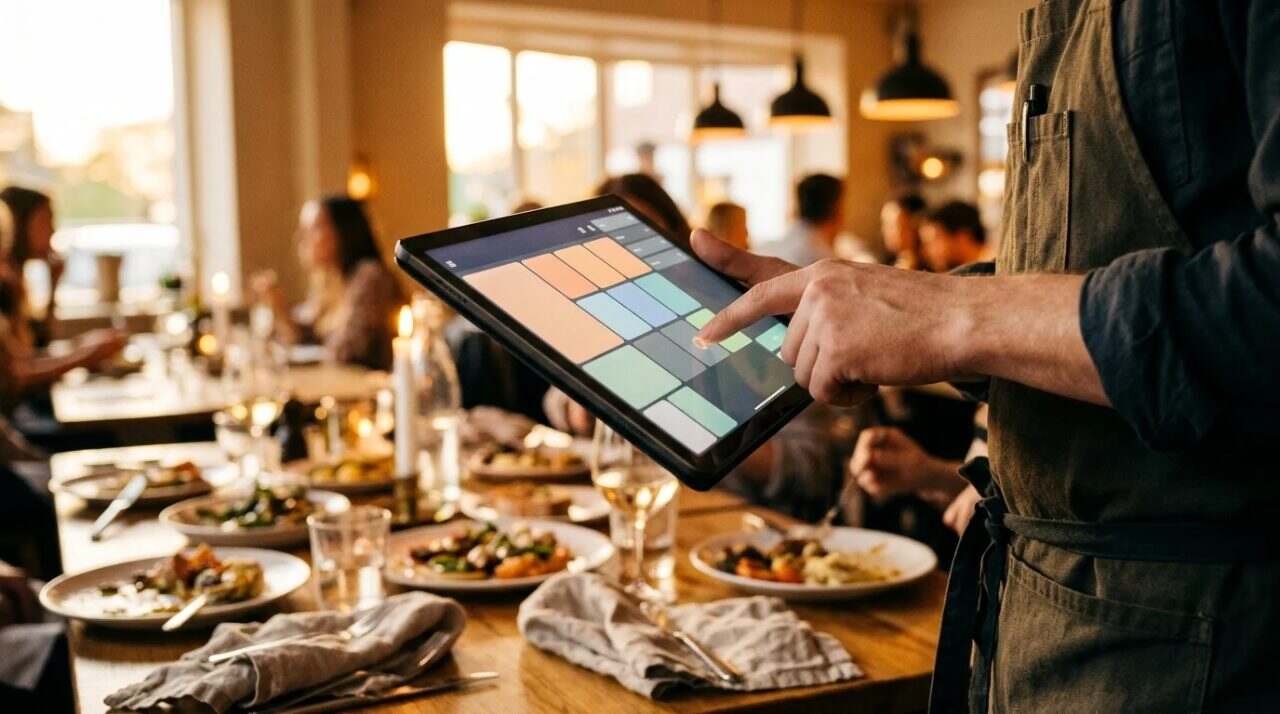
Training Restaurant Staff on a New POS System
Practice before live shifts, split training by role, teach permissions and the bad moments, and keep refreshing. What vendor guides say about POS training.

Notes from the owner's side of the counter.
Practice before live shifts, split training by role, teach permissions and the bad moments, and keep refreshing. What vendor guides say about POS training.
Handmade sellers get two kinds of description advice: sell the story, or describe only the product. A look at both, with the sources behind each.
A neutral look at Clover for restaurants: plan tiers, listed monthly and device prices, processing rates, add-ons like Rapid Deposit, and the contract terms.
A restaurant can live without its own website, but not with a wrong menu on Google. What Google and Square say about menus, ordering links and one menu source.
A nightly POS close-out checks counted cash, card totals and the bank deposit against the system. How the steps work, with Square and Toast examples.
Plate cost, food cost percentage and contribution margin are the three numbers behind a priced menu. Worked examples from a textbook and operator guides.
A window, a white sheet and a foam board cover most of what a small shop needs. Here is what Shopify and Google publish about lighting, alt text and file size.
Square Payroll lists $35 a month plus $6 per person paid. What it files, how direct tips and timecards flow in, and what a restaurant headcount costs.
A small business blog puts more pages in front of search and answers repeat questions once. Here is what Google’s guidance says it can do, and what it cannot.
How a restaurant menu is built in a POS: menu groups and categories, item and kitchen names, modifier sets, selection rules and pricing strategies.