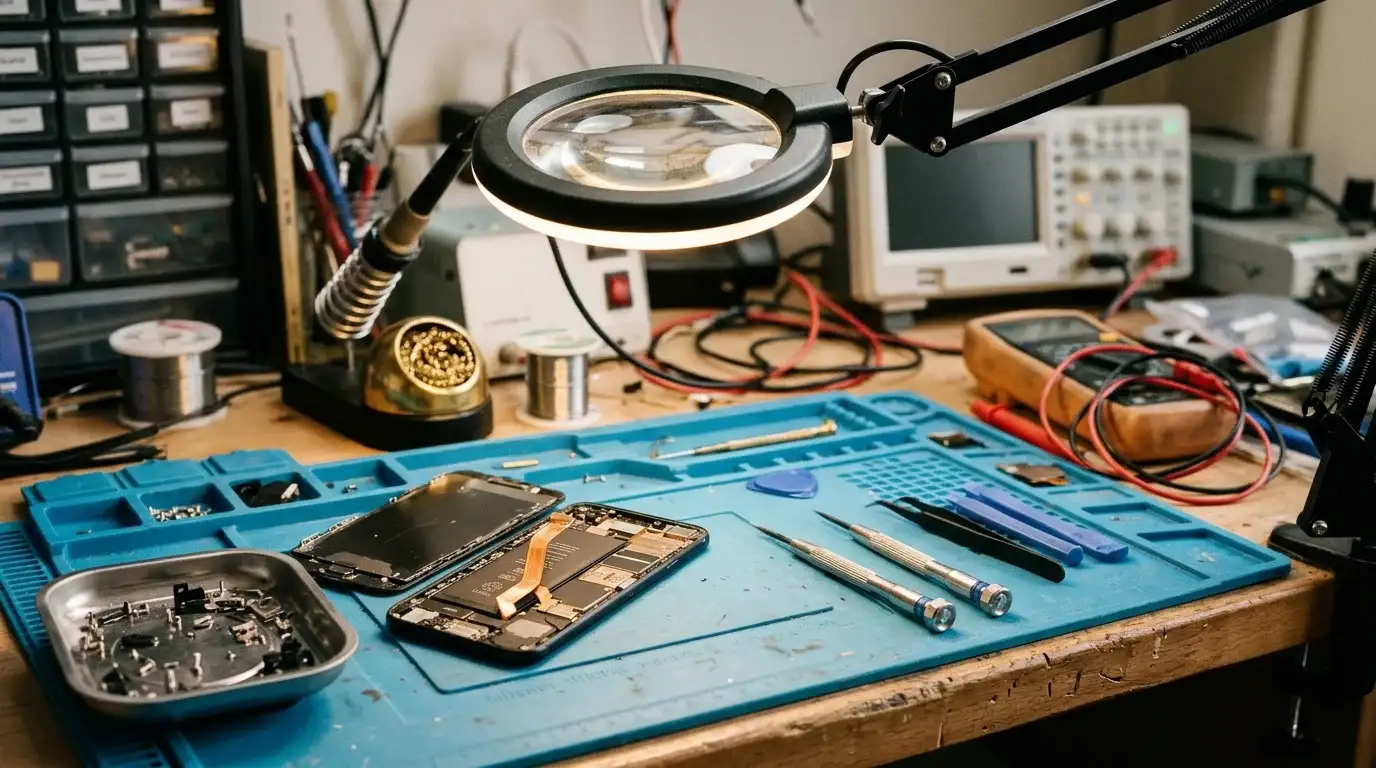
Since July 31, 2026, a consumer in the European Union can ask the manufacturer of a broken smartphone or fridge to fix it, inside or outside the warranty, and the manufacturer has to do it within a reasonable time and for a reasonable price. That is the core of Directive (EU) 2024/1799, adopted June 13, 2024, according to the European Commission.
The obligation lands on manufacturers, but repair shops and the businesses that sell these products feel it too.
Which products are covered
The duty applies only to goods listed in Annex II, which are products already subject to EU repairability requirements under other laws, per the consolidated text. The European Parliament’s summary lists washing machines, vacuum cleaners, smartphones, tumble dryers and goods with light-transport batteries, according to the Legislative Observatory. Domestic local space heaters were added from July 31, 2026, and the Commission updates the list as new repairability rules are adopted, per the Commission.
Ireland’s enterprise department notes that the rules apply to covered goods bought after July 31, 2026, per its guidance.
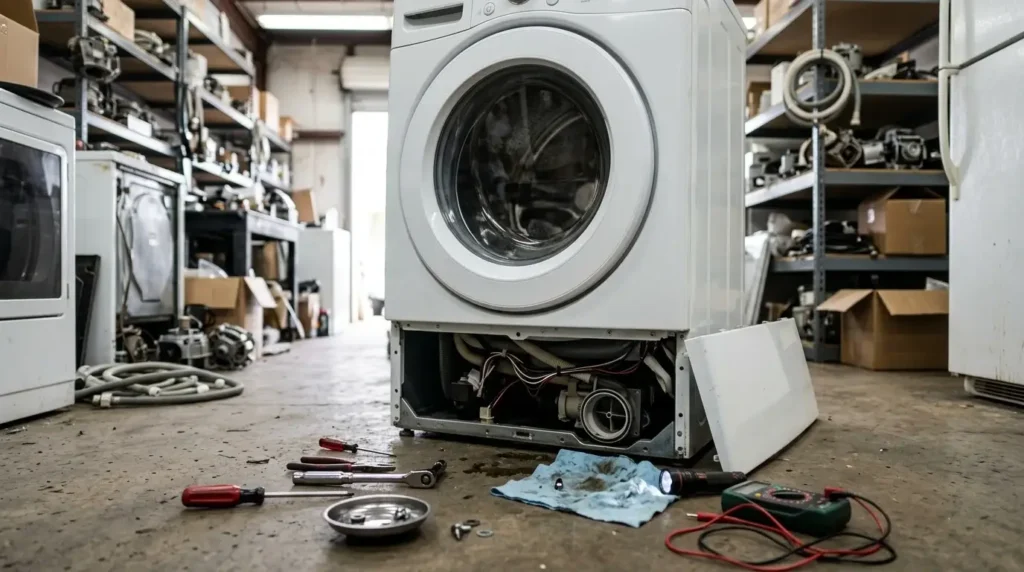
What manufacturers must do
| Obligation | Detail (European Commission) |
|---|---|
| Repair on request | Within a reasonable time and for a reasonable price, inside or outside the legal guarantee |
| No blocking repair | No contractual, hardware or software measures that impede repair, unless justified by legitimate and objective factors |
| Spare parts | Where supplied, offered at a reasonable price |
| Price information | Typical repair prices published on a freely accessible website |
| Repair information | Easy access to information about repair services |
All from the Commission’s summary.
What changes for repair shops
Independent repairers get a standard document, the European Repair Information Form, set out in Annex I. A repairer that gives one to a customer is bound by the stated conditions for 30 days, and the form lets customers compare offers, per the Commission. A European online platform listing repairers, built on the Your Europe portal, is expected to be operational in January 2028.

What changes for sellers
The directive also amends the Sale of Goods Directive. When a consumer chooses repair instead of replacement under the legal guarantee, the guarantee is extended by one more year, per the Commission and Lewis Silkin.
Each EU country must also adopt at least one measure to promote repair, such as information campaigns, repair vouchers or repair-skills training, so the details will vary from country to country, according to Lewis Silkin.
Timeline
| Date | Milestone |
|---|---|
| June 13, 2024 | Directive adopted |
| July 31, 2026 | Member states must apply national rules; space heaters added to Annex II |
| January 2028 | European online repair platform expected |
| By July 31, 2031 | Commission report on how the directive is working |
Dates from the Commission and the Legislative Observatory. The Commission marked the start date with a news release on July 31, 2026.
- Covered goods: only Annex II products, such as smartphones, fridges and washing machines.
- Manufacturers: must repair at a reasonable price, inside or outside warranty.
- Repairers: European Repair Information Form, binding for 30 days.
- Sellers: one extra year of legal guarantee when the customer chooses repair.
Sources
- European Commission, Directive on repair of goods
- European Commission, Right to repair: new consumer rights (July 31, 2026)
- EUR-Lex, Directive (EU) 2024/1799, consolidated text
- European Parliament Legislative Observatory, summary of the final act
- Ireland Department of Enterprise, Right to Repair Directive
- Lewis Silkin, What does the Right to Repair Directive mean for your business? (Mar. 2026)