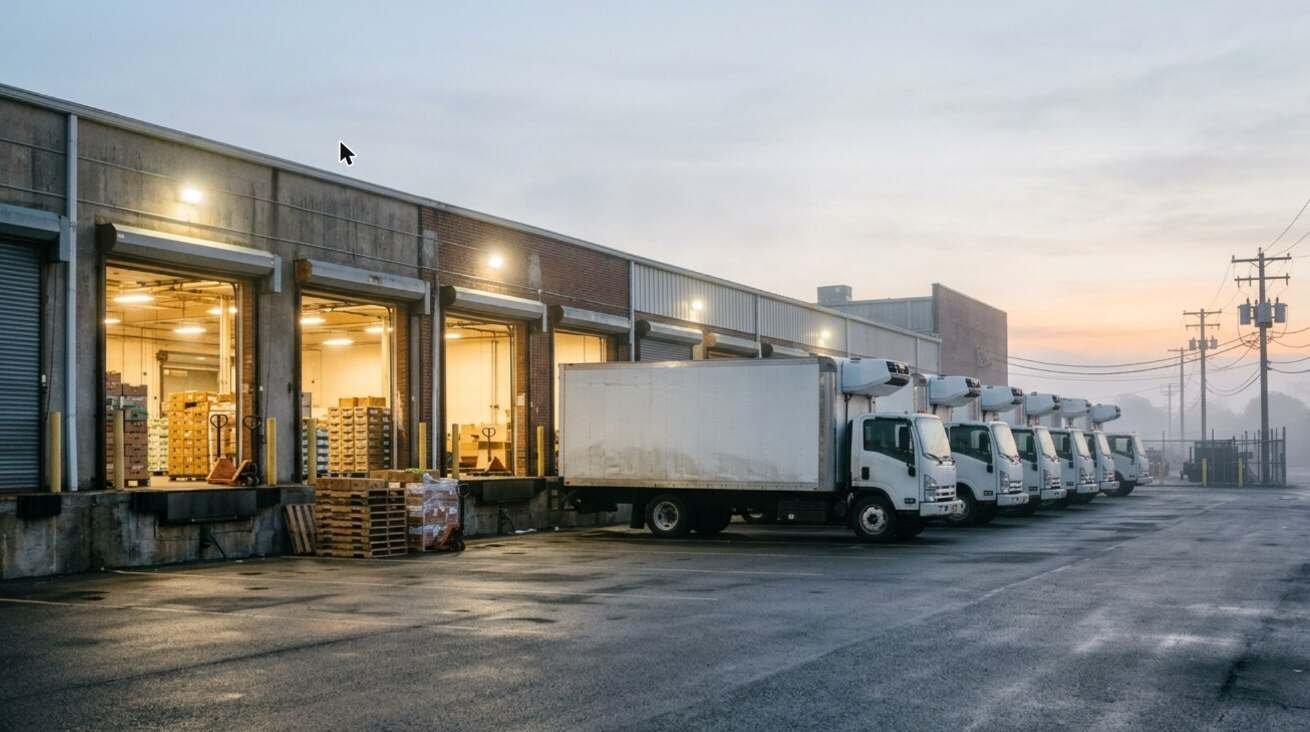
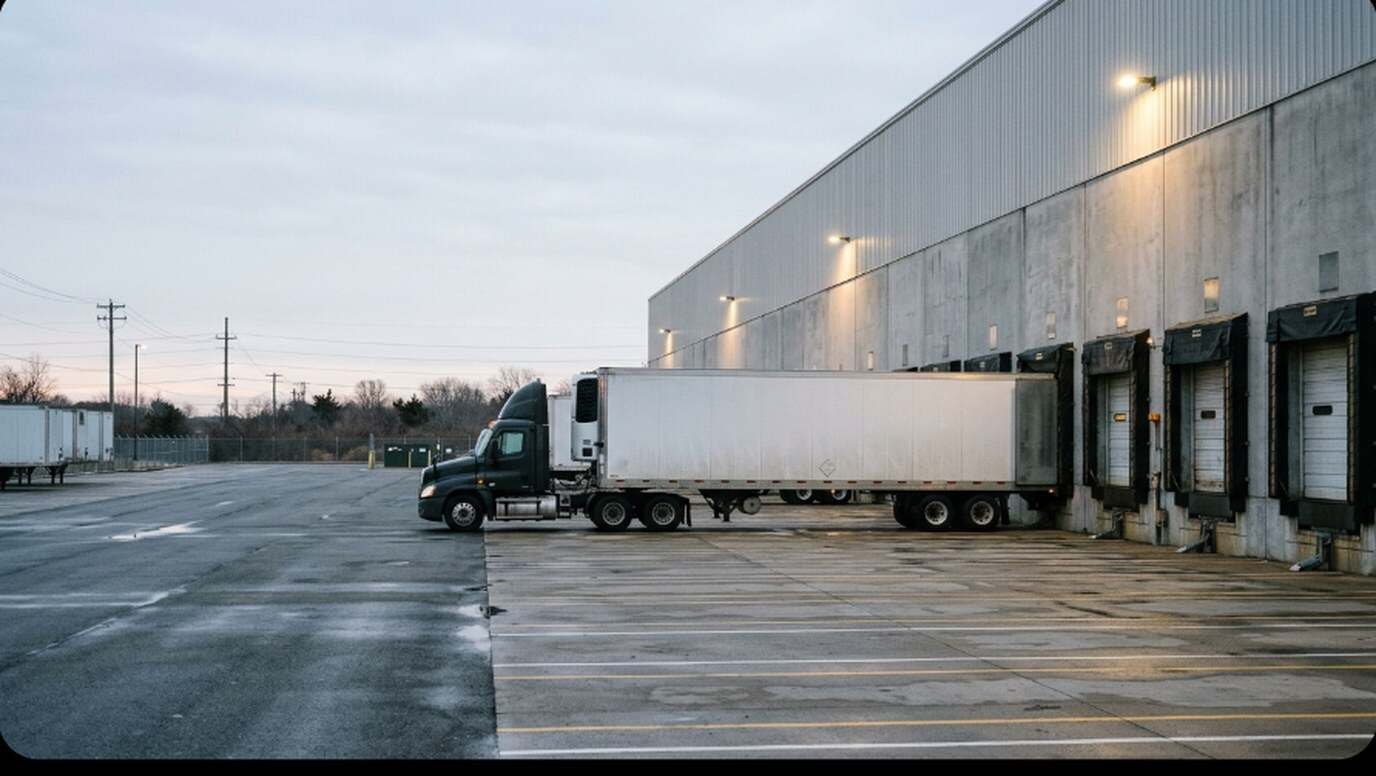
The forklifts in Sysco’s warehouse on Lowell Avenue in Central Islip run on hydrogen. When the building opened in 2012, a trade report on the opening described a fuel station inside it that powers every forklift in the place, which means the cases of fryer oil and frozen fries that land on my back step in Mount Sinai began the trip on a machine whose exhaust is water. I think about that at six in the morning, signing for a pallet with a pen that has stopped writing.
A 420,000-square-foot building on Lowell Avenue
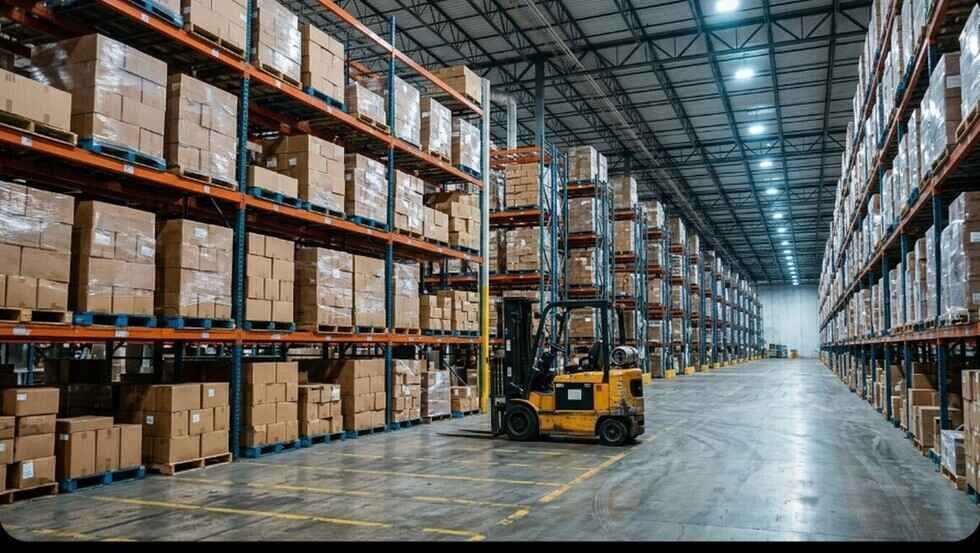
Sysco’s operating company here goes by Sysco Long Island, and its location page puts it at 199 Lowell Avenue in Central Islip. The building cost $92 million and covers 420,000 square feet, according to the June 2012 report, with dry and cold storage, offices, a culinary center where chefs cook for customers, and more than 10,000 food and specialty items on the shelves. The Town of Islip Industrial Development Agency put in $7.3 million in assistance. The project hired 235 people, more than first projected.
The deal had been in the works for a while. In March 2011, Area Development reported a $75 million warehouse plan with more than $7.3 million in tax relief, and the town supervisor at the time, Phil Nolan, called it “a win, win, win.” By the time the ribbon was cut, the price had climbed by $17 million, which is the most familiar thing about the whole story to anyone who has ever renovated a kitchen.
Frank Recine, then president of Sysco Long Island, told the trade press that “in terms of size, this facility is unparalleled by any other food-service provider on Long Island.” The same report lists who that service is for: restaurants, hotels, hospitals, nursing homes, colleges, schools and summer camps. A diner sits in that list somewhere between the hospital and the summer camp, and some weeks it feels like both.
A building that size in the middle of Suffolk matters to a kitchen in a plain way. The trucks don’t cross a bridge to reach me. When an order is short, the person who fixes it works on the same island I do.
The Houston numbers behind the truck
The parent company is a different animal. Sysco’s annual report for fiscal 2026 says it was founded in 1969, went public in March 1970, and keeps its headquarters at 1390 Enclave Parkway in Houston. On June 27, 2026, it ran 333 distribution facilities across North America and Europe. About 75,000 people worked for it, 52,000 of them in the United States.
Sales for the year rose 3.9 percent to $84.6 billion, per the August 4, 2026 earnings release, which also counts about 670,000 customer locations. The Heritage Diner is one of those. That works out to my share of the company’s attention being roughly the width of a hair on the flat-top, and the reps are polite enough never to mention it.
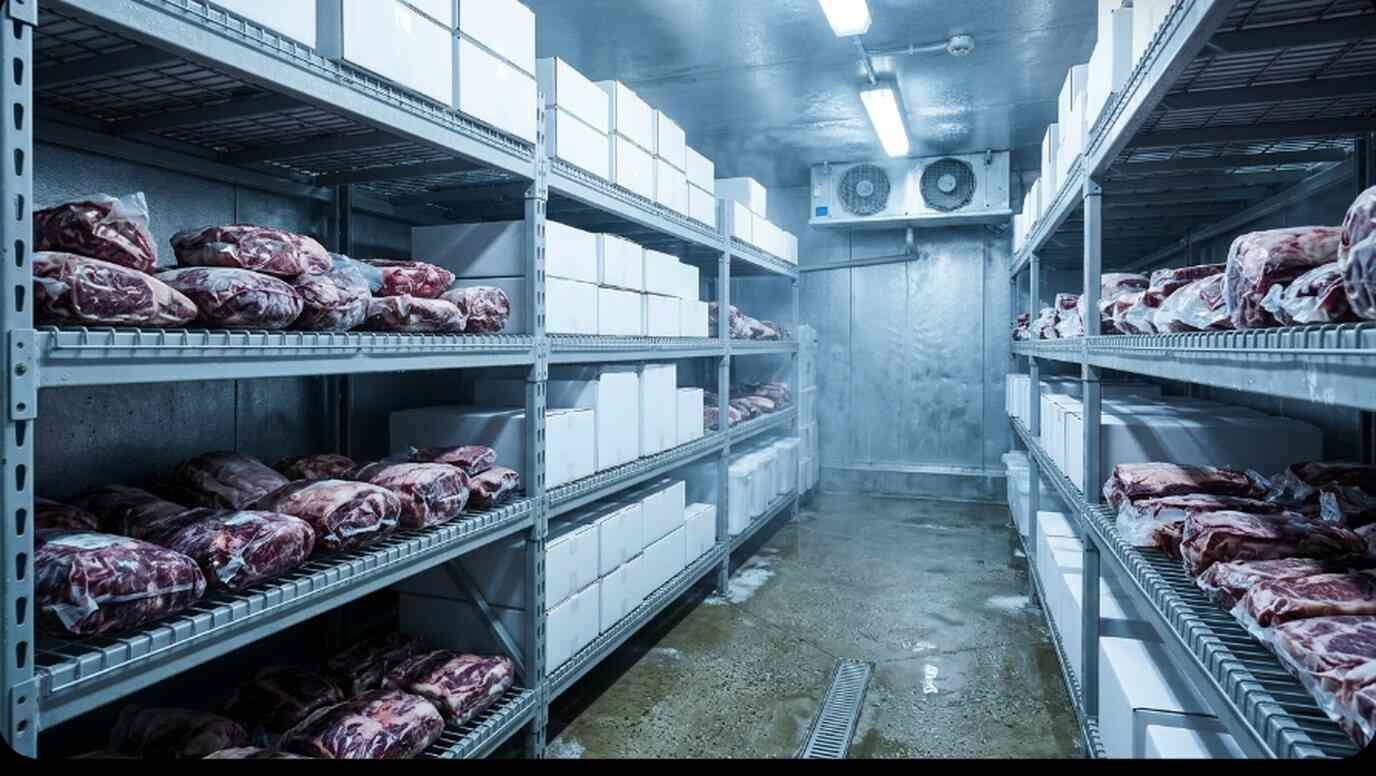
Two lines in the annual report say more about a diner’s place in the business than any brochure. Restaurants made up 59 percent of Sysco’s sales in fiscal 2026, down from 60 percent the year before and 62 percent the year before that, so the customer base is slowly tilting toward hospitals, schools and everything else that eats on a schedule. The sales mix tells its own story: fresh and frozen meats are 20 percent, canned and dry goods 18 percent, paper and disposables 7 percent, seafood 4 percent. Sysco sells nearly twice as much in to-go containers and napkins as it does in fish.
That last number doesn’t surprise anybody who has closed out a Friday.
Beef, fish and the six o’clock delivery
The Long Island page names three brands that come through the Central Islip house. Buckhead Beef, which it calls “Our Local Butcher,” was founded in 1983 and joined Sysco on August 20, 1999. Trinity Seafood, “Our Local Fisherman,” opened in a refurbished building in Asbury Park, New Jersey, on July 4, 2001, with five refrigerated trucks, and has added staff, trucks and territory since. The page also says Sysco Long Island is the only licensed Certified Angus Beef distributor based on the Island.
For a kitchen that sells burgers all week and fish on Friday, one truck carrying the beef, the cod and the cups has an obvious pull. One invoice to check. One driver to know by name.
A Tuesday a few winters back went like this. The truck backed in at six, the driver walked the pallet in, and I counted cases against the invoice with my coat still on, because the walk-in is not where anybody takes a coat off. Eleven cases of fries on paper, ten on the floor. The driver checked his handheld, nodded, wrote the short on my copy and called it in from the cab before he pulled out. The credit showed up on the next invoice. Nobody raised a voice, and that is the whole job of a distributor on a good day: the mistake gets written down at the door, and nobody has to remember it later.
The counting part is on the kitchen, not the truck. The method I use is laid out in receiving a delivery and what to check before signing, and the paper form is in the restaurant receiving checklist template.
An hour at the Chef’s Table
The Sysco Long Island page describes two programs that have nothing to do with the truck. “@ The Chef’s Table” is a business review, usually about an hour, that covers labor and food cost, ordering and inventory, menu analysis, staff training and marketing. Professional Menu Design pairs menu analysis and engineering with a custom menu laid out by a designer, plus access to the company’s OnDemand marketing tools.
Years ago a rep sat with me in the back booth after lunch with a printout of what I had bought from him for three months and the menu prices beside it. I knew my labor percentage the way I know the sound of the compressor when it is about to quit. I had never seen my menu ranked by what each plate earned against what it cost. Two of the best sellers were barely covering themselves. One of them was the special I was proudest of, which is the kind of news a person takes in the stomach before the head.
The review cost nothing, and it is also a sales call, and both of those things are true at once. A distributor that helps a kitchen engineer the menu is also learning what the kitchen buys, from whom, and at what price. That is fine. It helps to know which side of the table the printout came from. The same exercise can be run alone with the method in restaurant menu pricing without guessing.
Before the first order
A broadline account opens fast and gets expensive slowly. The prices on the first sheet are rarely the problem. Drift is, a few cents on a case here and there over eighteen months, on items nobody rechecks because the truck shows up on time and the driver is a nice guy.
- Ask which Sysco operating company serves the restaurant’s address, and get the delivery days and order cutoff in writing.
- Ask for the order minimum and what happens below it.
- Ask how substitutions are flagged, and say plainly which items may never be swapped.
- Price the same twenty items, same brand and pack, with at least two other houses, and repeat it every quarter.
- Keep an order guide so the rep’s suggestions are measured against a list, not a memory.
The order guide is the piece most kitchens skip. Building one is covered in writing a weekly order guide for a restaurant, and a blank copy is in the restaurant order guide template. Sysco’s own contact page is where an account starts.

When the truck and the warehouse have the same owner
Here is the case for Sysco, and it is a good one: a building in Central Islip, a driver who writes the short on the invoice, beef and fish from companies it owns, and a free hour of menu math. Most independent kitchens on the Island could run on that and never think about it again.
The trouble sits under the case. A diner keeps a broadliner honest with one tool, which is the price somewhere else. For a lot of independents that somewhere else has been a Restaurant Depot run, a cart, a flatbed and a receipt to hold up against the rep’s sheet. I wrote about that run in the Restaurant Depot profile, and I still make it.
In March 2026, Sysco agreed to buy Jetro Restaurant Depot for $29.1 billion in cash and stock, Greater Long Island reported, and the paper counted four Depot warehouses on the Island, in Riverhead, Bohemia, Garden City and Farmingdale. Sysco’s chief executive, Kevin Hourican, called Restaurant Depot “a gem of a company.” The fiscal 2026 annual report says the deal is expected to close by the third quarter of Sysco’s fiscal 2027, subject to clearance under the Hart-Scott-Rodino Act.
The other route to a second opinion narrowed a few months earlier. US Foods and Performance Food Group, the two houses that might have combined into something bigger than Sysco, ended their merger talks on November 24, 2025, so they stay two separate competitors, which is good for a kitchen with a price sheet in hand. The harder part is that the cheapest check most diners had was never US Foods. It was the warehouse with the flatbeds.
Nothing on the shelf in Bohemia has to change for the comparison to feel different. When the rep’s price and the warehouse price both roll up to Houston, the yardstick and the thing being measured belong to the same company. Owners who buy from both: once the deal closes, what will be the number you hold up against the invoice?
For informational purposes only — consult a licensed attorney or financial advisor.
Sources
- Sysco Long Island location page
- REBusiness Online, “Sysco Opens $92M Distribution Center” (June 19, 2012)
- Area Development, “Sysco Corp. Invests $75M in Central Islip, New York, Warehouse” (March 24, 2011)
- Sysco Corporation, Form 10-K for fiscal year ended June 27, 2026
- Sysco Corporation, fourth quarter and fiscal 2026 results release (August 4, 2026)
- Greater Long Island, “Sysco buys Restaurant Depot for $29.1B — a jolt for Long Island indie restaurants” (March 30, 2026)
- Transport Topics, “Performance Food Group, US Foods Call Off Merger Talks” (November 24, 2025)
- Sysco contact page