Why Every Kitchen Recipe Belongs on Paper
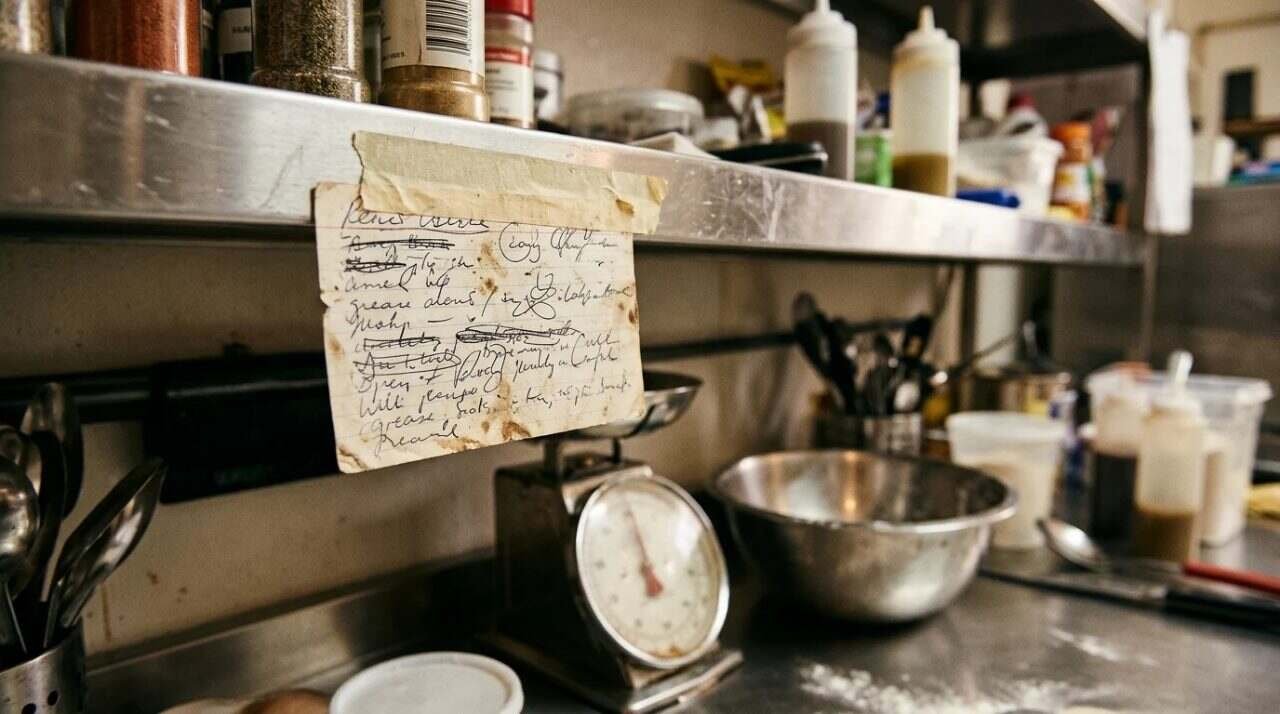
Why every restaurant recipe belongs on a written card: what standardized recipes control, the six parts a card needs, and how to keep the paper current.

Notes from the owner's side of the counter.
Why every restaurant recipe belongs on a written card: what standardized recipes control, the six parts a card needs, and how to keep the paper current.
How to write a small business email newsletter issue from scratch: one goal, CAN-SPAM basics, subject line, body order, testing and a rhythm you can keep.
How to photograph leather and other reflective goods: large soft light, camera angle, polarizing filters and settings, drawn from published product guides.
Meta Business Suite schedules Facebook and Instagram posts for free. What it does, where it stops, and when a second scheduling tool earns a look.
What New York requires before a first hire: EIN, state unemployment registration, the 20-day new hire report, I-9, W-4 and withholding, from official pages.
Google Analytics runs on a handful of definitions. Users, sessions, engagement rate, bounce rate and events, read straight from Google’s help pages.
About seven in ten carts are abandoned. Baymard’s research lists extra costs, forced accounts and long forms among the reasons a small shop can address.
How to count a walk-in cooler: set shelf order and labels first, then count by route on a sheet that matches the shelves. Guidance from three sources.
Wave, ZipBooks and the free tier of Zoho Books handle bookkeeping basics for a small shop. What each free plan covers, where it ends, and when to pay.
How to ask for a customer’s email at a counter without annoying anyone, and the eight CAN-SPAM requirements the FTC says apply to what you send next.