No New York law makes a bartender take the Alcohol Training Awareness Program. The State Liquor Authority only “recommends” it, on its guidance for licensed retailers. Yet the training carries more legal weight than most mandatory courses, because of what it can do when an employee sells to someone under 21.
ATAP is a state framework, not a single course. The SLA certifies schools and other providers to teach it.
Who teaches it
The SLA’s list of certified ATAP schools names 31 providers, from national online course companies to a trade school in Farmingdale and a convenience-store chain that trains only its own staff. The law lets the Authority set minimum criteria for programs run by schools, trade associations and other entities, and under the current text every certified program must include human trafficking awareness training or lose its certification, per ABC Law § 18.
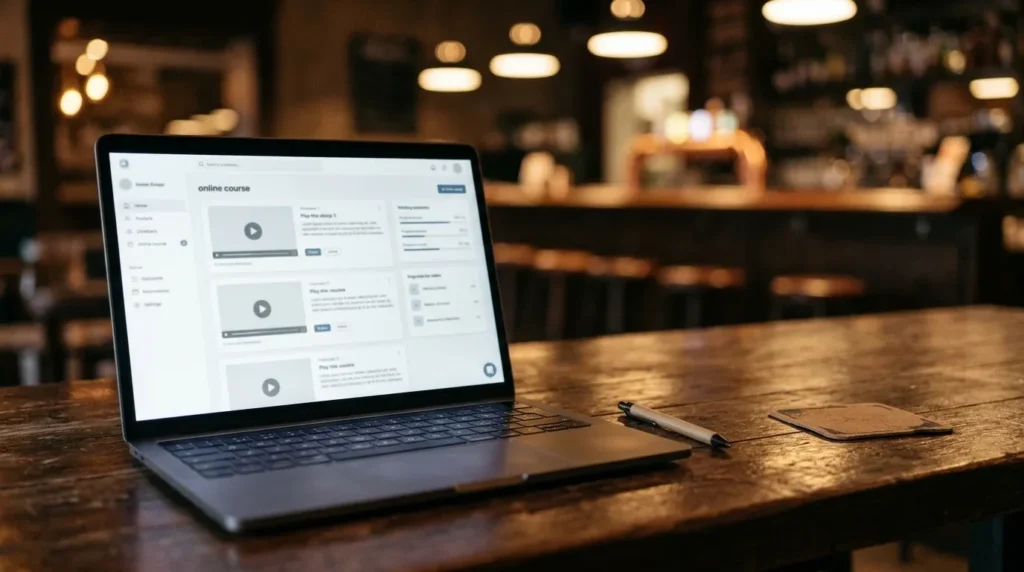
Online on-premises and off-premises versions are offered separately by providers such as 360training, which lists each at $19.99 with a certificate valid for three years.
What it does in a sale-to-minor case
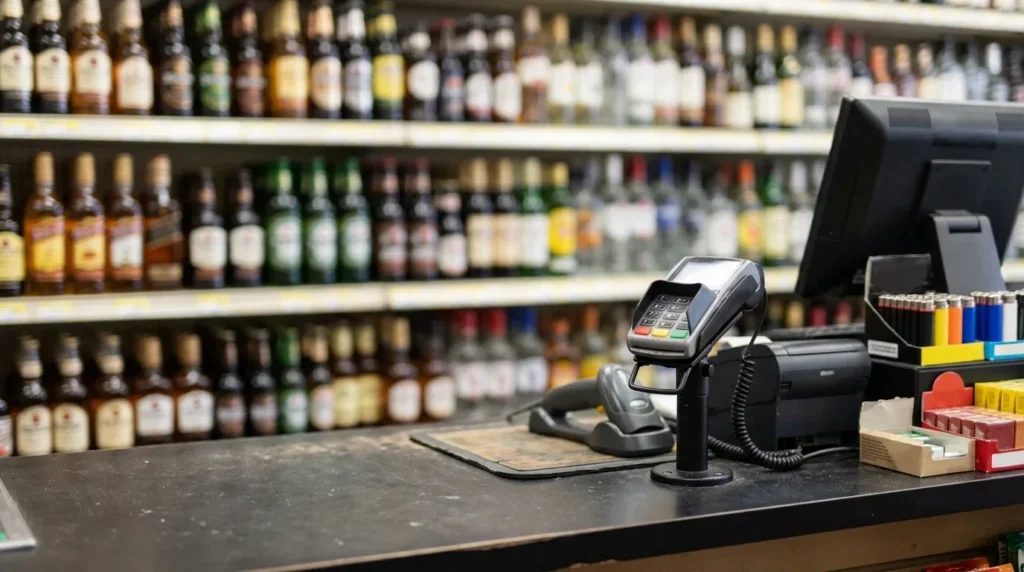
The SLA calls a sale to a minor one of the most serious violations of the ABC Law, and holds the licensee responsible whether the owner or an employee made the sale, per its list of frequent violations. ATAP enters at three points in ABC Law § 65:
| Where ATAP matters | What § 65 provides |
|---|---|
| Affirmative defense, § 65(6)(b) | Against revocation, suspension or cancellation: the person who made the sale held a valid ATAP certificate and the licensee diligently implemented the program |
| Reduced civil penalty, § 65(7)(a) | For a licensee with no violation at the premises in five years: if the employee held a valid certificate, the penalty is limited to recovery of the bond |
| 25% reduction, § 65(7)(b) | If, within 90 days of the penalty, the licensee proves all staff selling or serving at the premises hold valid certificates |
The defense has to be proved by a preponderance of the credible evidence, and three unlawful sales to people under 21 by any employee within two years count against a finding that the licensee was diligent, per § 65(6)(b).
The other violations it covers
Sales to visibly intoxicated people, disorderly premises, unlimited drink specials and serving outside the licensed area are all on the SLA’s frequent violations list. The Authority says proof of staff training “may reduce the penalty imposed” when it brings charges. Its rule on drink specials is specific: half-price and two-for-one offers are allowed only if each drink costs at least half the regular price.
Keeping records that hold up
Because the defenses turn on whether a certificate was valid on the day of the sale, a dated copy of each server’s certificate is the evidence a licensee would need to produce. Certificates from providers on the SLA list are reported to the Authority, which receives the names and dates of everyone who completes an approved program, according to § 18.
- Required? No; the SLA recommends it for everyone who sells or serves.
- Why it matters: affirmative defense and penalty reductions under ABC Law § 65.
- 25% off a penalty if every server at the premises is certified within 90 days.
- Validity: three years for certificates from listed providers such as 360training.
Sources
- New York Alcoholic Beverage Control Law § 65
- New York Alcoholic Beverage Control Law § 18 (Justia, 2022)
- NY State Liquor Authority, Frequent violations of the ABC Law by retailers
- NY State Liquor Authority, What you need to know if you’re a licensed retailer
- NY State Liquor Authority, Certified ATAP schools
- 360training, New York alcohol server education