
A household that employs one nanny is covered. So is a diner with a dishwasher who works Saturdays. New York’s sexual harassment prevention law applies to “all employers, regardless of size,” in the words of the state’s employer page, and it requires a written policy plus training for every employee at least once a year.
The requirement comes from Labor Law section 201-g, in force since October 2018 according to the state’s program hub. Employers can use the state’s model policy and training or their own, as long as theirs meets or exceeds the minimum standards.
Who has to be trained
The state’s definition of employee is broad: exempt and non-exempt, part-time, seasonal and temporary workers, regardless of immigration status, per the employer page. Minors are included; employers of children under 14 may simplify the material while still meeting the minimums, according to the employer guide.
Geography matters only at the edges. Someone who works entirely in another state does not need New York training, but a worker who spends a portion of their time in New York, even if based elsewhere, must be trained, the guide says.

What the training has to cover
Section 201-g requires the training to be interactive and to include four elements, per the statute:
- An explanation of sexual harassment consistent with state guidance
- Examples of conduct that would be unlawful sexual harassment
- The federal and state laws on sexual harassment and the remedies available to victims
- Employees’ rights of redress and the administrative and court forums for complaints
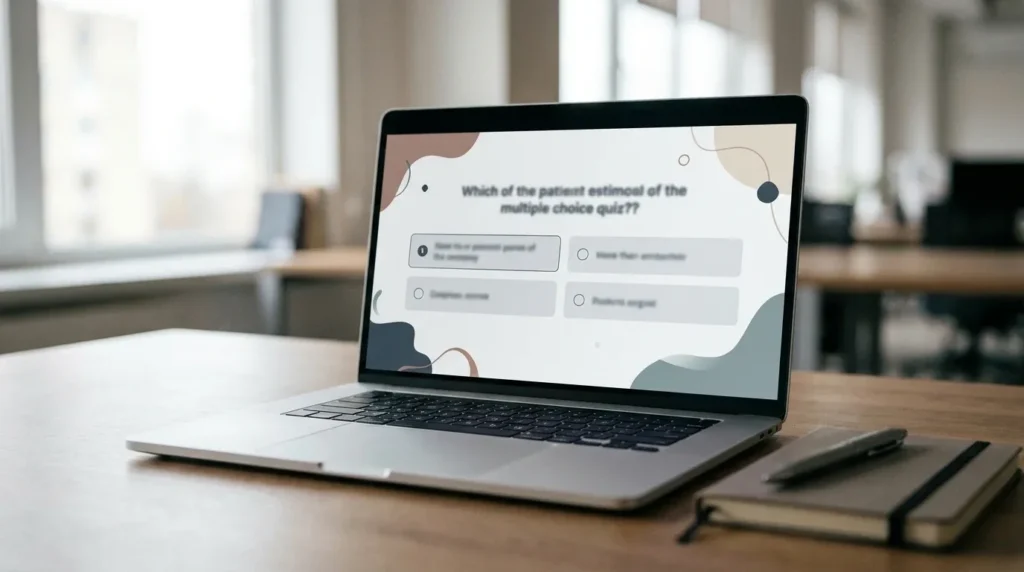
“Interactive” has a specific meaning. The state says watching a video or reading a document with no interaction does not qualify; online training counts if it includes features such as questions at the end of a section, a way to submit questions, or a feedback survey.
What the written policy has to say
| Policy element under § 201-g(1) | Plain description |
|---|---|
| Prohibition with examples | Bans harassment and lists examples of prohibited conduct |
| Laws and remedies | Federal and state law, victims’ remedies, and a note that local law may apply |
| Complaint form | A standard form employees can use |
| Investigation process | Prompt, confidential, with due process for all parties |
| Redress rights | Administrative and court forums for claims |
| Sanctions | Harassment is misconduct, including by supervisors who knowingly allow it |
| Retaliation | Retaliation against complainants and witnesses is unlawful |
Element list paraphrased from the statute. The complaint form does not have to be reproduced in the policy, but the state says employers should be clear about where it can be found, such as an internal website.
Timing, language and paperwork
| Question | Answer from the state |
|---|---|
| How often? | At least once a year; calendar year, hire anniversary or another date the employer picks |
| Minimum hours? | None, as long as the minimum standards are met |
| New hires? | No deadline for training; the state encourages it as soon as possible. The policy notice goes out at hiring |
| Language? | Notice, policy and training in English and in the employee’s primary language if the state has a model in it |
| Signed acknowledgment? | Not required, but encouraged, along with training records |
Sources: the employer page and the employer guide. The state’s model materials come in Spanish, Chinese, Korean, Russian, Italian, Polish, Bengali, Urdu, French and Haitian-Creole, with Japanese, Hindi, Albanian and Greek added starting May 31, 2023.
New York City adds its own layer
Employers in the five boroughs also answer to the city. The NYC Commission on Human Rights says its online training, about 45 minutes and offered in multiple languages, satisfies both state and city requirements, and that city employers must retain training records for three years. The state guide confirms the state law applies inside New York City too.

- Every New York employer: adopt a written policy and train everyone yearly.
- Online course? Make sure it asks questions or collects feedback; a passive video does not count.
- Multilingual staff: hand out the policy in each worker’s primary language when the state has a model.
- Keep records, three years in New York City, as protection if a complaint follows.