
On the first of every month, a Facebook Page that is under the cap and has no paid plan gets two. Two organic posts or comments that carry a link off Facebook, to a menu, an online shop, a blog, anywhere. Facebook’s help page on links in organic Page posts and comments spells it out in one line, then lists the price of a third: a Meta One Advanced plan at $49.99 a month, which raises the count to eight.
From a quiet test to a price list
The cap started small. Social Media Today reported that Meta launched a limited test in December 2025 restricting certain Pages to two link posts a month. MediaPost’s coverage of the test described it as aimed at professional accounts and Pages, with publishers left out, and quoted the upsell message users saw: “Subscribe to Meta Verified to share more links on Facebook.” A Meta spokesperson told MediaPost the test was meant to learn “whether the ability to publish an increased volume of posts with links” adds value for subscribers.
Then the subscription changed names. On September 15, Meta announced Meta One plans for businesses, four tiers sold “per asset,” which the announcement explains as one plan per profile. Links in organic posts and Reels became a selling point of the Advanced tier and up. Social Media Today reported two days later that the two-link restriction appeared to have expanded alongside the launch, with Page managers sharing a pop-up alert, and that Meta still exempted publisher Pages.
Meta’s announcement framed the plans as extras on top of a free product: “The core experience across our apps has always been free, and that’s not changing.” For a Page that posted a link every day, the core experience changed anyway.
The help page hedges at the top: “Limits on posts and comments with links may not apply to all Pages.” Some Pages see the cap and some don’t. The only way for an owner to know is to look at the Page itself, which is the digital version of checking whether the walk-in is cold by opening the door.
What counts against the two, and what doesn’t
Links in organic posts and in comments the Page publishes count toward the limit. The default count resets on the first of the month; on a paid plan it resets on the subscription’s renewal date. Unused links don’t carry over.
Four kinds of links sit outside the count, according to the help page:
- Additional links in the comments of a post that already includes a link
- Links to Meta’s own services, including Facebook, Instagram, WhatsApp and Threads
- Links for affiliate partners connected through Facebook’s affiliate partnerships
- Links in ads
That first exception matters more than the rest. During the test, MediaPost reported that links in comments were still unlimited. On the current help page, a link in a comment counts like a link in a post, unless the post above it already spent one. The old workaround of posting a photo and dropping the link in the first comment now burns a link, so a Page that leaned on it spends its free two in the first few days.
The reset date turns the calendar into part of the plan. On the free tier, a link spent on December 31 counts against December, and the same post published after midnight counts against January. A restaurant announcing New Year’s Day hours can post on the 31st with December’s last link, if one is left, or wait until the morning of the 1st and open January’s account with it. A paid plan moves that line to whatever day the subscription renews, which may fall in the middle of a holiday rush.

The price of a third link
Facebook’s help page publishes the ladder in a table. The free tier gets 2 posts or comments with links a month. Essential, at $14.99 a month, also gets 2. Advanced at $49.99 gets 8, Expert at $149.99 gets 20, and Max at $499.99 is unlimited, with a note that prices may vary by region. Meta’s September announcement listed Expert at $149.00 and Max at $499.00; the help page adds 99 cents to each. A business deciding on a plan should trust the checkout screen over either one.
| Plan | Monthly price (help page) | Link posts or comments a month | Cost per link beyond the free 2 |
|---|---|---|---|
| Free | $0 | 2 | n/a |
| Essential | $14.99 | 2 | no extra links |
| Advanced | $49.99 | 8 | $8.33 |
| Expert | $149.99 | 20 | $8.33 |
| Max | $499.99 | Unlimited | depends on use |
Two things fall out of the arithmetic. Essential buys a verified badge, per Meta’s announcement, and the same two links the free tier already has. And the per-link price doesn’t drop when a business climbs from Advanced to Expert: both work out to $8.33 for each link above the free two, which is the rare volume discount that discounts nothing. A diner that wanted one extra link a week, six a month on top of the free two, would land on Advanced and pay $599.88 a year for it.
The bill also multiplies by account. The announcement says plans “are priced per profile, so each plan covers one account,” and Loomer read the same language as applying per Facebook Page, Instagram profile or WhatsApp Business number. A shop that wanted the Advanced tier on both its Facebook Page and its Instagram profile would be paying for two plans, $99.98 a month at the help page’s price.
Jon Loomer, who writes about Meta advertising, walked through the tiers on his blog the week after launch and reached a flat verdict on the link benefit: “I just don’t see anyone signing up for any of these tiers just for link sharing.”
A month of posts built around two links
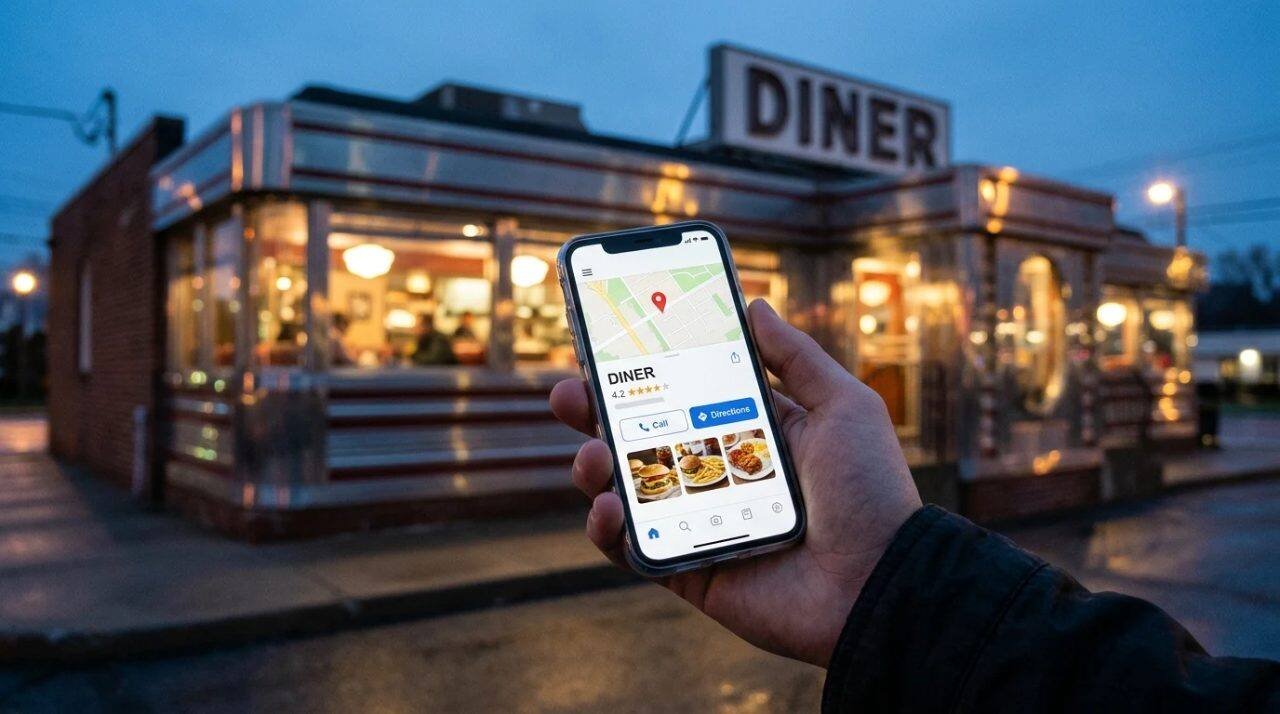
Here is how the cap could shape a December for two kinds of small business: a counter-service diner and an online shop selling leather goods. Both examples assume about three Facebook posts a week, a website, an email list and a Google Business Profile. They are sketches built from the help page’s rules, not results from any real Page.
| Week | Diner | Online leather shop |
|---|---|---|
| Dec 1 to 6 | Link 1: holiday hours post linking to the online order page. Gift card and catering links go in the comments under it, which don’t count. | Link 1: gift guide post linking to the shop. Links to two more product pages go in that post’s comments. |
| Dec 7 to 13 | Photo of the week’s special; ordering by phone, with the Google profile mentioned for hours and directions. | Short video of a bag being stitched; caption sends viewers to the shop’s Instagram, a Meta link that doesn’t count. |
| Dec 14 to 20 | Staff photo and holiday closing times, no link. | Link 2: last shipping date before Christmas, linking to the shipping page. |
| Dec 21 to 27 | Link 2: New Year’s Day hours and the order link, posted after Christmas so it stays current. | Thank-you post with a photo of the packing table; no link. The email list carries the after-Christmas sale link. |
| Dec 28 to 31 | No links left. Comments asking for the menu get pointed to the Link 1 post, where the order link still sits. | No links left. Replies point back to the Link 2 post. |
The pattern is simple once it’s on paper. Each month gets two anchor posts, and everything that needs a link hangs off them in the comment thread like tickets on a rail. Everything else points somewhere that isn’t the open web: the Page itself, Instagram, the Google profile set up in a Google Business Profile checklist for restaurants, or the inbox, which is where an email list built from zero earns its keep. Scheduling the two anchors ahead, with any of the free tools for scheduling social posts, keeps them from getting spent on a Tuesday whim.
With only two links a month, each one is worth measuring. Tagging both anchor links with the campaign parameters described in the post on UTM links lets the website’s analytics show whether either one sent a single order. If December’s two links bring in nothing measurable, the free tier is already more than the Page needs. If they do, there’s finally a number to hold up against $49.99.

The case that the cap costs almost nothing
Meta’s side of this has numbers behind it. Social Media Today cited Meta’s Widely Viewed Content report for the first quarter of 2026, which found that 98.7 percent of U.S. post views did not include an external link. MediaPost, covering the earlier test, quoted Meta’s content report saying Facebook posts with links “receive little to no reach.” If link posts were already a rounding error in the feed, taking away all but two of them takes away very little. MediaPost added that posts with links made up only 1.9 percent of U.S. feed content views. That is the strongest argument for shrugging, and it is a fair one.
A small business on Facebook, though, was never chasing a share of national feed views; it was chasing the regulars who follow the Page and want the holiday hours. For that audience the link was the whole point of the post, the thing that turned “open New Year’s Day” into an order. The cap doesn’t take away reach the business never had; what it takes away is the one job the Page did reliably, day in and day out, which was pointing at the place where the money actually changes hands.
There is also the matter of where a business keeps its address book. The argument in picking one social platform assumed the platform’s terms would hold still. These moved twice in a year, from a test with unlimited comment links to a paid ladder that counts them.
What to check on a Page this week
Three checks come first. One is whether the cap applies at all, since the help page says limits may not apply to all Pages. Another is how many links the Page has already used this month, since posts and comments both draw down the same two. The last is which link destinations are exempt for that business. A shop that earns through Facebook’s affiliate partnerships, or that mostly sends people to its Instagram or WhatsApp, may find the cap barely touches it.

Everything else is a scheduling problem, the same kind a kitchen solves every week with two burners free and six pots waiting. The question worth putting to anyone running a small Page: since the cap arrived, did the Facebook link posts that remain bring in more orders, fewer, or exactly the same handful as before?
For informational purposes only — consult a licensed attorney or financial advisor.
Sources
- Facebook Help Center, “About links in organic Facebook Page posts and comments”
- Meta for Business, “Introducing Meta One plans for businesses” (September 15, 2026)
- Social Media Today, “Facebook Pages get charged for link posts” (September 17, 2026)
- MediaPost, report on Facebook’s organic link-sharing test
- Jon Loomer, “Meta One Business Plans: What You Get at Each Tier” (September 22, 2026)